Keeping critical cooling water flows firmly under control
Cooling water is more than just a process material. In power plants and large industrial plants, it protects critical components, ensures the transfer of heat, and directly affects efficiency, availability, and operating costs. Power plants move the largest cooling water flows in the world. Here, making surface water usable for cooling purposes is crucial for the reliability and performance of the overall process. Cooling water from rivers, lakes, or the sea contains a wide range of types of fouling. Shells, sea weed, and flotsam cause macrofouling. Meanwhile, biofilms as well as limescale or corrosion deposits lead to microfouling. Both types of fouling impact the heat exchanger in different ways. Even thin deposits impair the heat transfer process, increase the pressure loss, and drive up energy consumption. The aim is to stabilize the cooling water performance without operational constraints.
Main cooling water flow
Maximum flow rate, minimal fouling
The main cooling water flow moves enormous amounts of water. The type and volume vary considerably depending on whether the cooling system uses once-through cooling or closed-circuit cooling. But one thing does not change: Fouling must be reliably prevented before it disrupts operation. In the case of once-through cooling with river water or seawater, in particular, biofouling caused by algae, shells, and biofilms is among the biggest challenges. Here, effective pre-screening forms the basis for reliably protecting downstream shell-and-tube heat exchangers.
Taprogge Pre-Screening Systems
In the case of once-through cooling with river water or seawater, in particular, biofouling caused by algae, shells, and biofilms is among the biggest challenges. Here, effective pre-screening forms the basis for reliably protecting downstream shell-and-tube heat exchangers. Our pre-screening systems are part of an end-to-end solution along the process chain:
- Water Intake Systems
The right technology is crucial for ensuring reliable operation of the entire water circuit – even at the water intake point. Water intake systems such as our TAPIS® Single-Stage Water Intake serve to protect downstream pumps, while special debris filters keep macrofouling and debris away from downstream heat exchangers. - Debris Filters
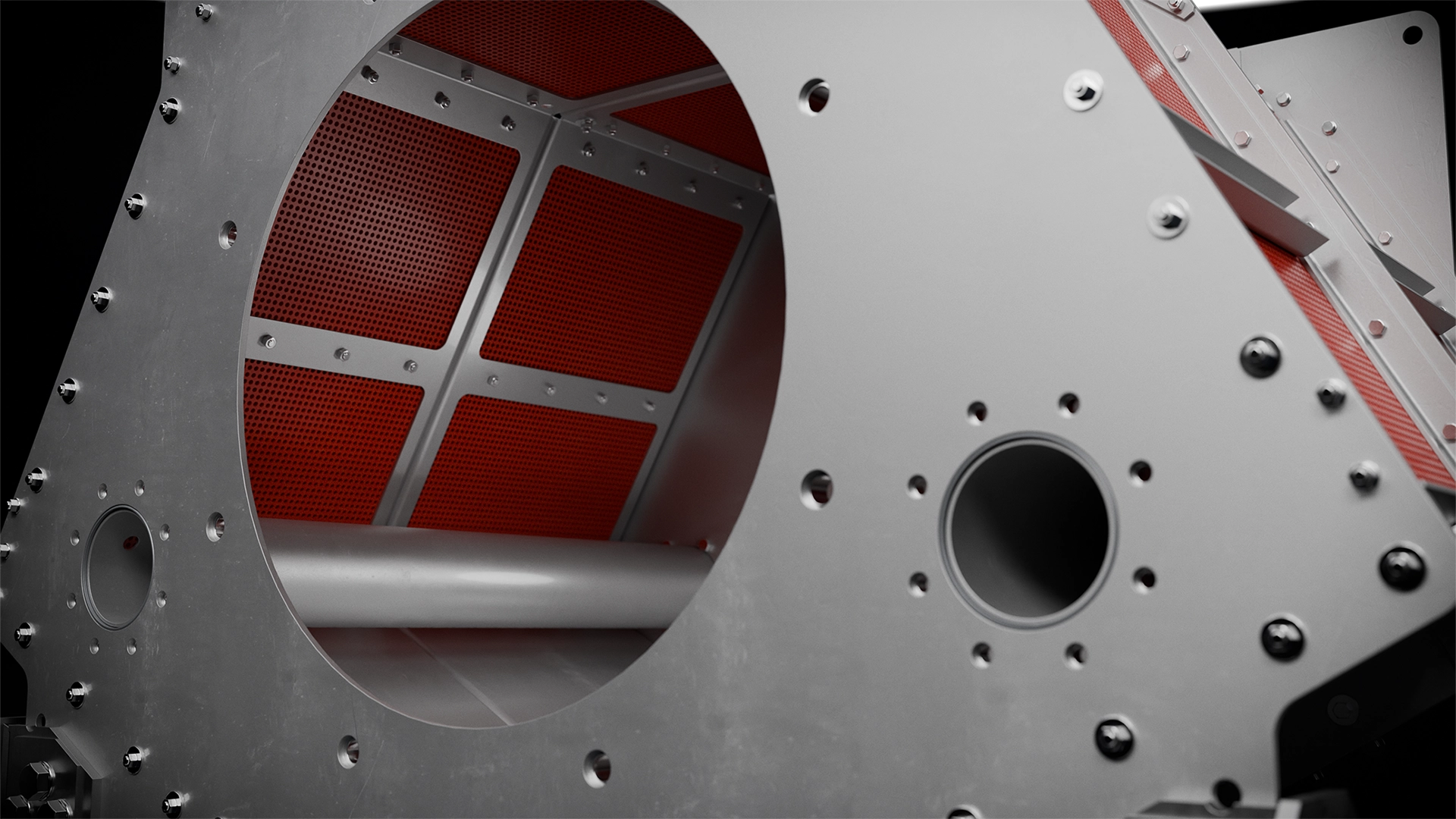
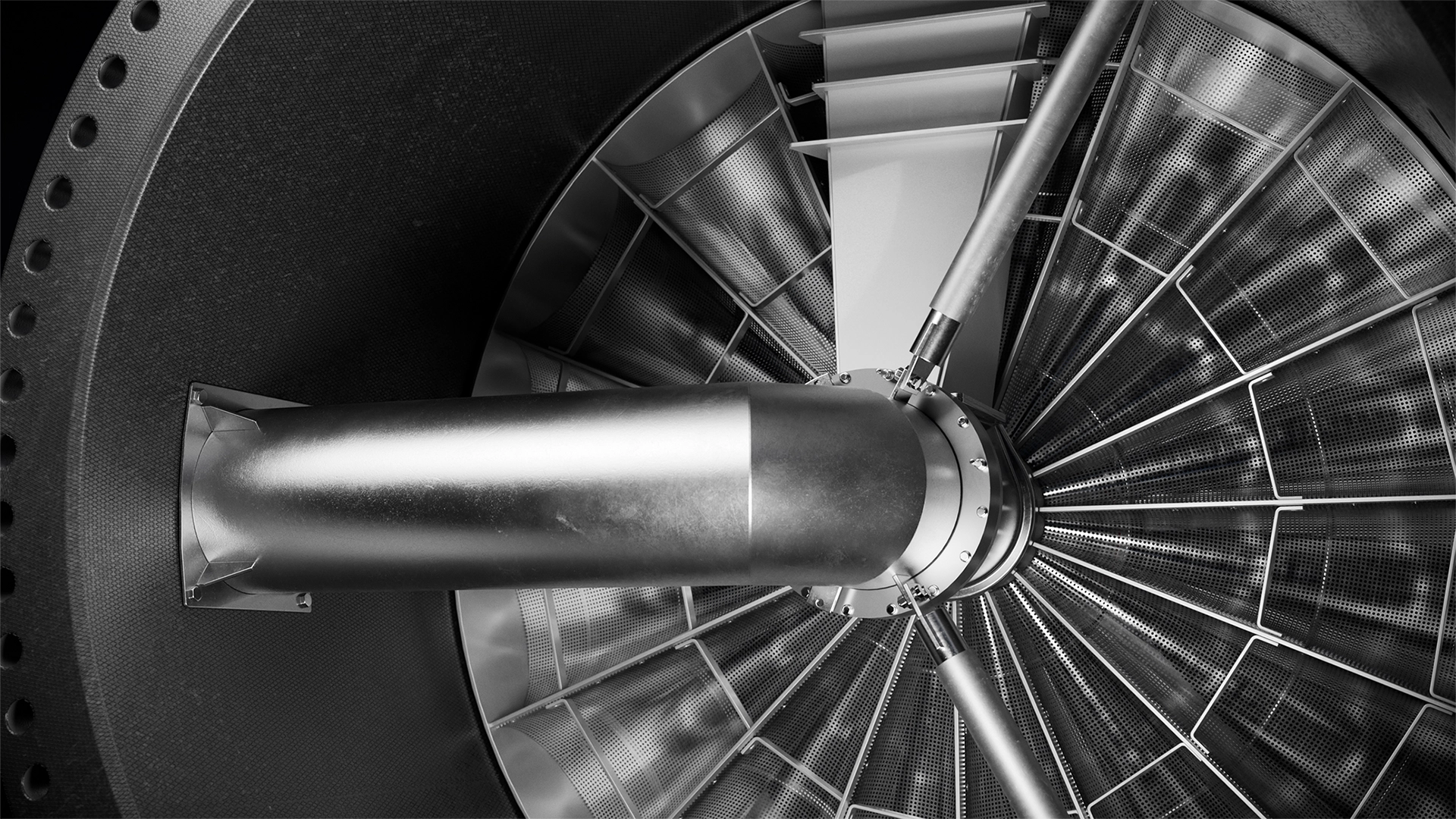
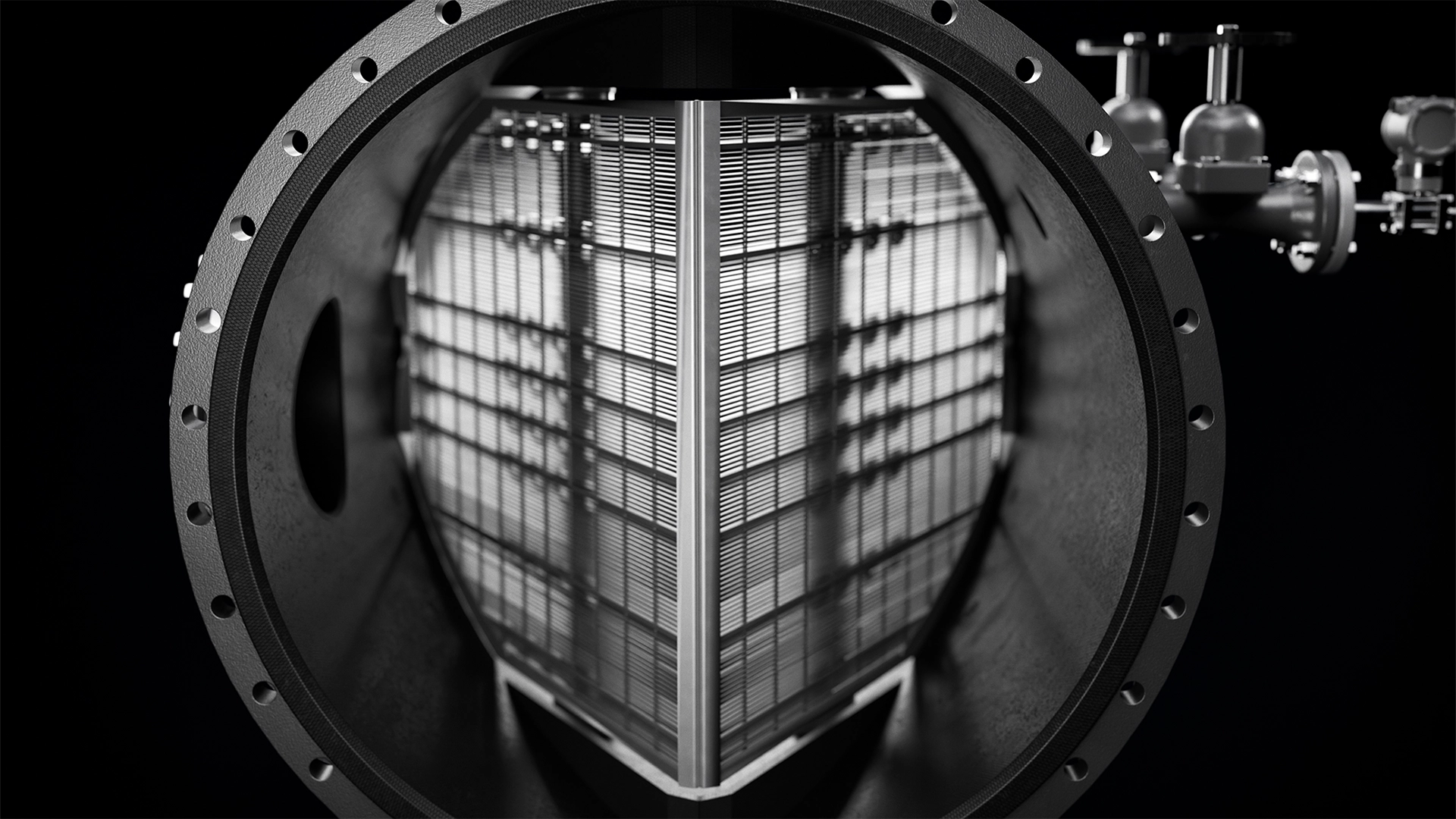
When water is used in heat exchangers, turbine condensers, or evaporators, effective protection against macrofouling and debris is indispensable. Macrofouling and debris have serious consequences: They impair the free inflow of the heat transfer medium into the heat exchanger and have a direct effect on heat transfer and hydraulic performance. - Taprogge System
In thermal power plants, in particular, microfouling leads to measurable performance losses. The transfer of heat at the surfaces of the condenser tubes deteriorates, the efficiency of the turbine condenser decreases, and turbine capacity drops as a result of thermodynamic laws. More fuel is required in order to prevent this, which has a direct impact on operating costs and CO₂ emissions.
Auxiliary cooling water flows – small, but critical
Auxiliary cooling systems such as turbine cooling systems operate with much lower volume flows. This is where shell-and-tube heat exchangers and plate-type heat exchangers are used. In both cases, macrofouling poses a threat to operational reliability. Due to their relatively narrow gap width, plate-type heat exchangers require a finer degree of filtration than shell-and-tube heat exchangers. Our compact backwash filter PR-BW 100 and our fine filters (Dynamic Filter, PR-BW 100-FC) provide effective particle separation and reliable protection for both types of heat exchanger depending on the degree of filtration required.
Taprogge System
In addition to protecting against macrofouling, it is also important to keep microfouling under control. This is where our Taprogge System comes in for shell-and-tube heat exchangers. Cleaning balls circulate in the cooling water circuit during ongoing operation, preventing the formation of deposits on the inside of the condenser tubes. However, this method is not suitable for plate-type heat exchangers.
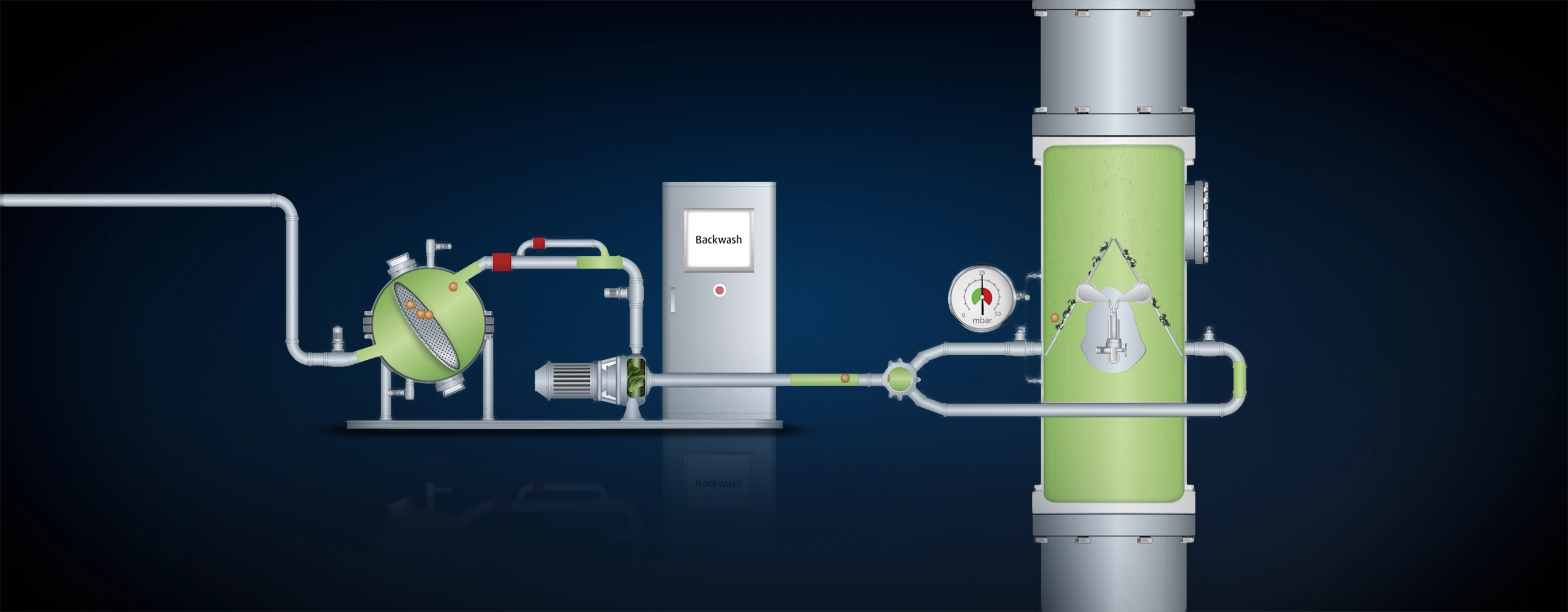
Cleaning balls circulate in the cooling water circuit during ongoing operation, preventing the formation of deposits on the inside of the condenser tubes.
The result: measurable, lasting, and reliable
Clean cooling water circuits create stable operating conditions in the plant as a whole. The positive effects are immediately apparent in ongoing operation and measurable over the entire lifecycle:
- Stable heat transfer in continuous operation
- Corrosion protection through rigorous fouling prevention
- Higher plant availability
- Less maintenance and fewer shutdowns
- Lower operating costs
- Noticeable increase in efficiency and reduction in emissions over the entire lifecycle
This provides end-to-end protection along the entire cooling water path.
IN-TA-CT©
TAPROGGE Solutions
Our solutions are often used as a tailored combination in power plants and large industrial plants: firstly pre-screening, then efficient separation of particulate fouling with our high-performance debris filters, and finally the process-integrated Taprogge System, which reduces fouling during continuous operation. We call this IN-TA-CT©: Integrated Taprogge Concept.
Find out more about our systems/components. Or get in touch with our experts to find the combination that best suits your plant.