High-performance filtration for high debris loads
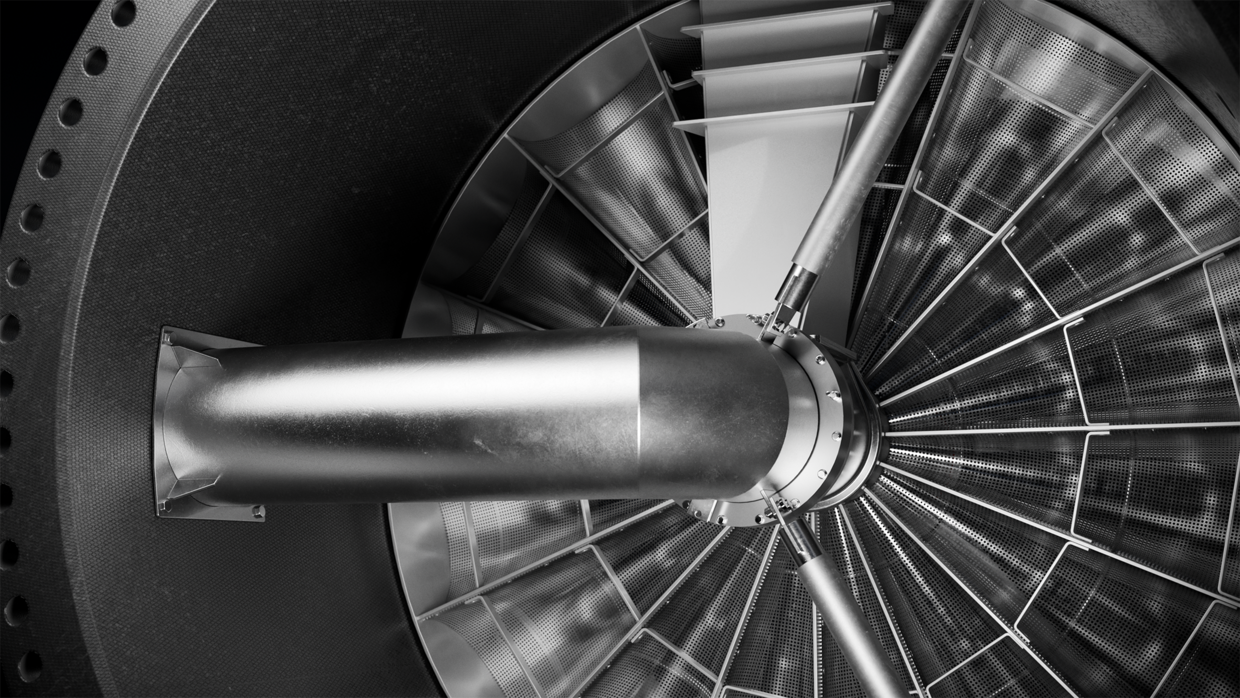
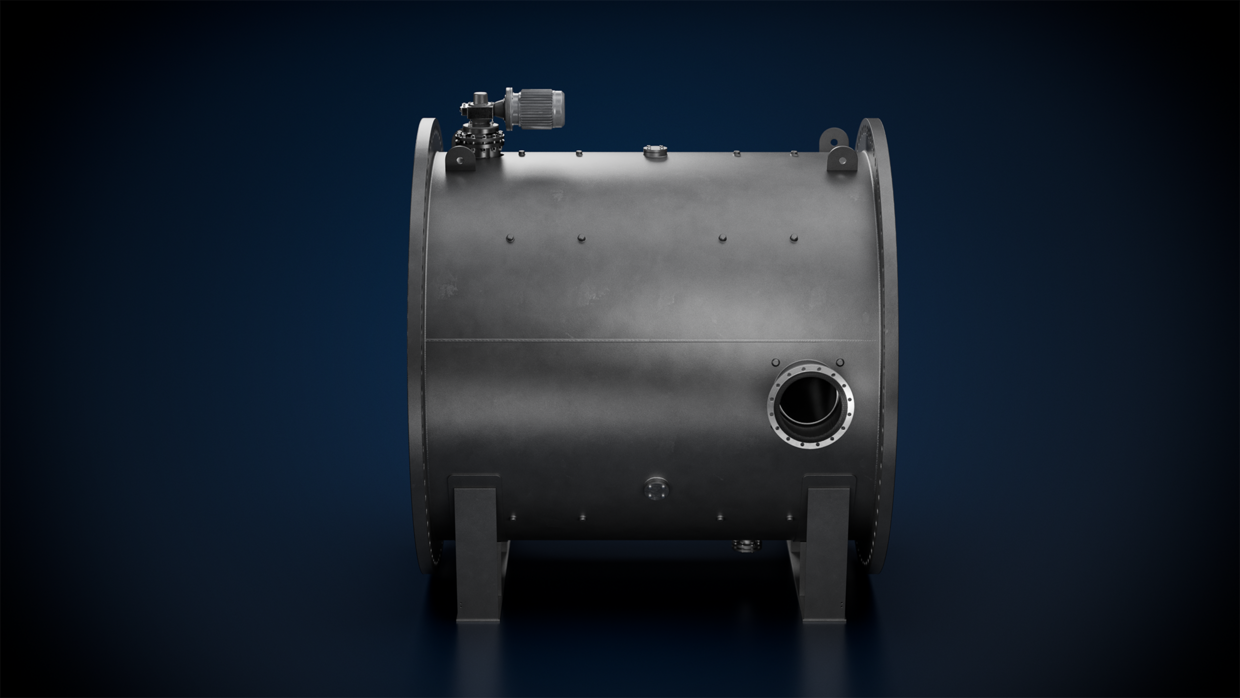
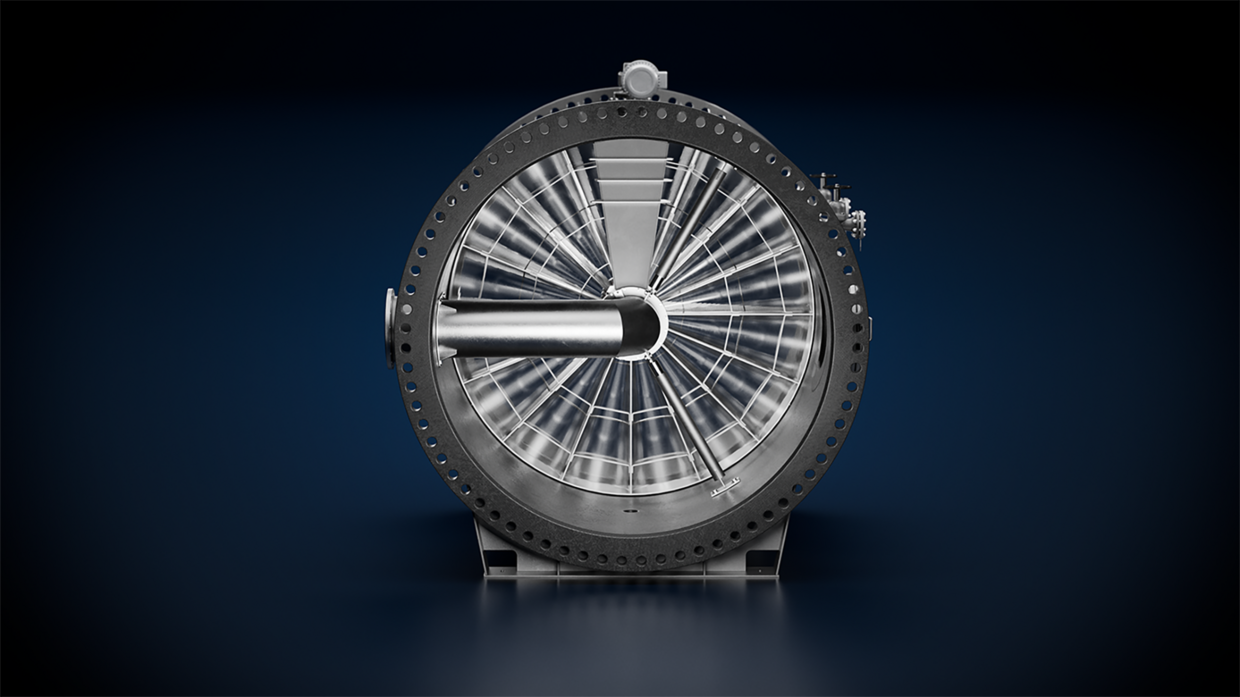
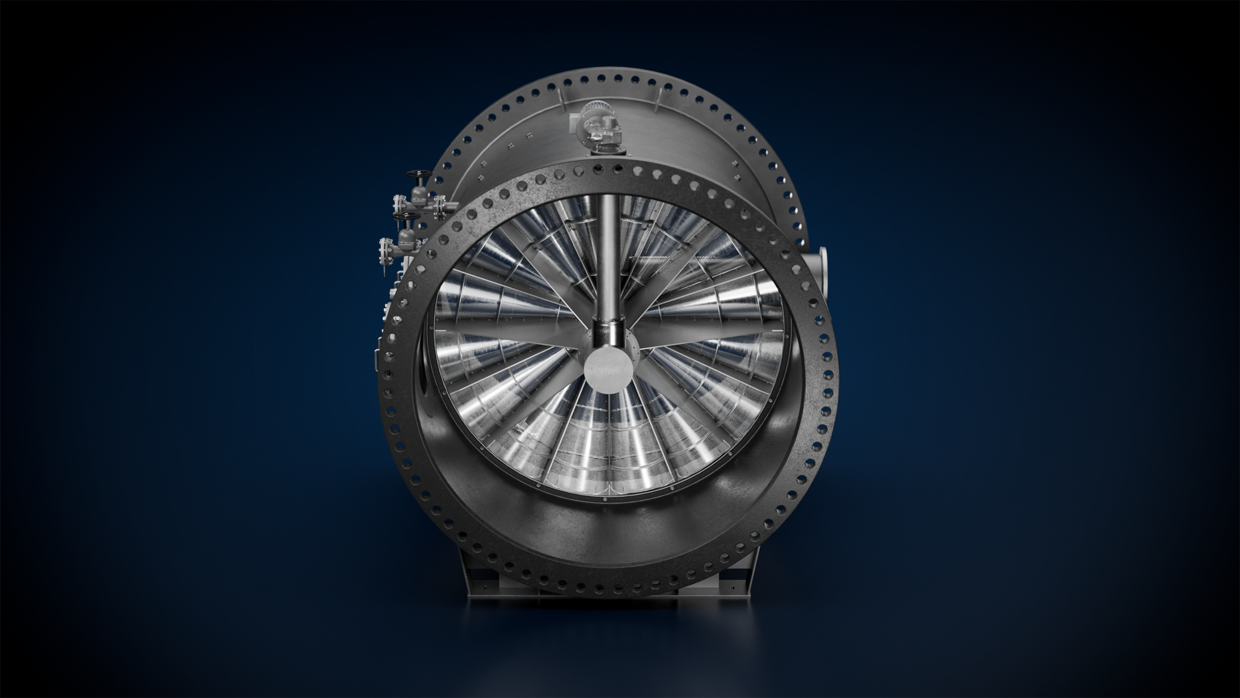
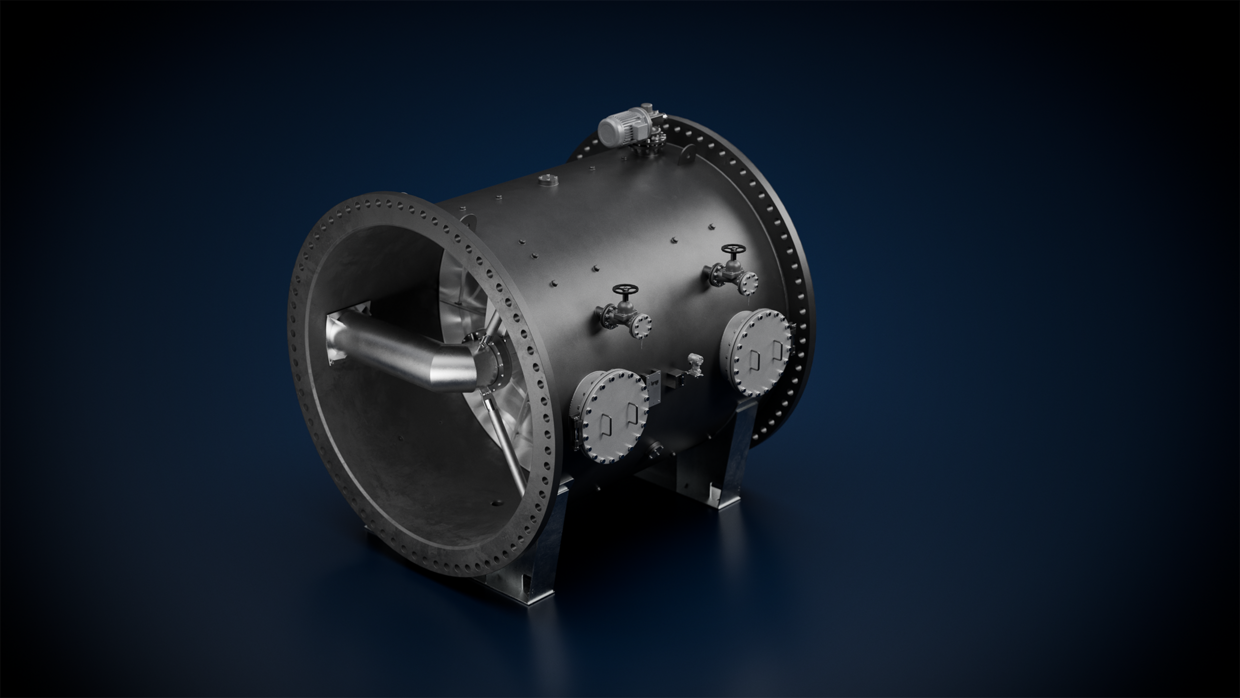
Water circuits that are operated with surface waters (water from rivers, lakes, or the sea) can have high concentrations of debris constantly or at specific times of the year and for short periods of time due to weather influences. The crucial factor for reliable operation of industrial water circuits is the filter’s ability to remove as much debris as possible within a very short period of time (maximum performance ratio). In thermal circuits, such as in power plant cooling water systems, the aim is to combine a high performance ratio with minimal backwash flows in order to minimize the loss of cooling capability. And that is precisely what the PR-BW 800 excels at. It can achieve self-cleaning high-performance filtration for volume flows of from 2,000 to 100,000 m³/h. The system is designed for high debris loads and reliably protects downstream components from macrofouling. The PR-BW 800 is typically installed immediately upstream of the heat exchanger to be protected in order to ensure stable operation even with high or highly variable debris loads. Depending on the design, the high-performance filter can reduce the need for or even replace upstream traveling band screens or drum screens as well as raking systems.
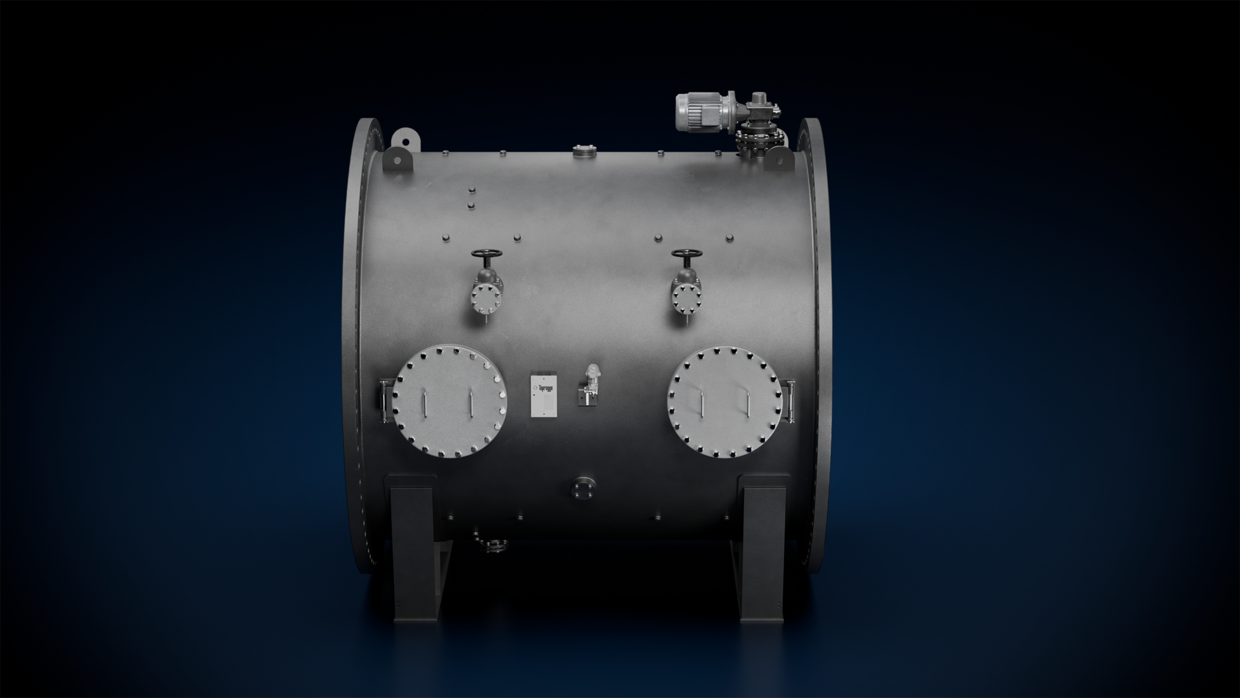
High filtering performance
Taprogge Core competency
With a debris removal capacity of up to 2.6 l/m3 of cooling water, the PR-BW 800 can handle both constantly high debris loads and debris loads that increase suddenly, making it the undisputed market leader in terms of performance ratio. Its high removal capacity with minimal backwash flow is a decisive advantage in applications with heavily contaminated cooling water. A filter fineness of 5 mm is recommended for shell-and-tube heat exchangers, but other finenesses are possible depending on the type of debris and plant requirements.
Pressure-relieved backwashing
The PR-BW 800 works with differential pressure controlled backwashing and offers the following advantages:
- No additional backwash pump
- Low flushing water quantities
- Low pressure loss
- Continuous 24/7 operation

Dealing with difficult types of debris
Cling-Free© filter elements provide an optimized solution at locations with debris characterized by long fibers or matting, such as grasses, seaweed, or other organic components. Their special geometry prevents long fibers from knotting and matting. This, in turn, prevents the filter holes from becoming blocked and supports stable backwashing.
Integration and installation variants
The high-performance filter can be installed using a variety of methods:
- With a full housing cover for integration into a pipe
- In a steel ring for installation between existing flanges
- On a mounting ring for installation in an existing pipe
The individual filter elements are screwed on, not welded. This means that they can be removed and replaced individually for maintenance work without having to disassemble the entire filter system. This also makes it possible to adapt the filter elements to changing types of debris depending on the season.
Key technical data
| Volume flow: | 2,000–100,000 m³/h |
| Connection diameters: | DN 800–DN 3,400; adaptation to smaller pipe diameters possible with suitable reductions |
| Filter fineness: | 2–13 mm; additional filter finenesses upon request |
| Filter elements: | Stainless steel perforated sheet, grid, Cling-Free©, hybrid |
| Housing: | Rubber-lined steel |
| Max. temperature: | 80 °C |
| Debris discharge capacity: | Up to 2.6 l/m³ cooling water |
| Control: | Programmable logic controller (PLC) |
| Options: | Bypass valve, FilterOptimizer, Remote Monitoring |
| Special designs: | Upon request |
| Systems delivered: | 2800 |
System design: ideal for heavy-duty jobs
The PR-BW 800 is designed for large-scale water systems with high debris loads. It is not suitable for applications with filter gap widths of less than 2 mm or nominal diameters of less than DN 500. Alternative filter concepts are available for lower volume flows.
Typical applications
The PR-BW 800 has an extensive track record with a wide variety of surface water circuits around the world. A key focus is on thermal power plants, which are the biggest consumers of water in the world. Typical fields of application include:
- Power plants with an open cooling water circuit (once-through cooling)
- Power plants with a closed cooling water circuit (closed-circuit cooling / cooling tower operation)
- Large industrial cooling water systems
- Seawater desalination plants
- Plants with highly or seasonally fluctuating debris concentrations
- Systems with upstream coarse debris separation in the inlet area, for example using coarse bar screens, fine screens, or TAPIS® systems