Making the most of industrial waste heat
In many industrial operations, there is a great deal of valuable energy in liquid process streams. With the right technology, you can recover it and re-use it. Heat pumps play a key role here: They raise the temperature to a usable level and make industrial waste heat available for industrial processes or for the heat supply. This lowers energy costs, reduces CO2 emissions, and increases the overall energy efficiency.
Keeping scaling and fouling under control
When it comes to utilizing industrial waste heat cost-effectively, it is not enough to focus on the heat exchanger alone. It is crucial that both the heat exchanger and the evaporator remain fully functional even under challenging process conditions. Scaling and fouling, in particular, can significantly impair the heat transfer process. Deposits of undissolved inorganic salts, organic substances, or fouling reduce the efficiency, increase the maintenance workload, and can lead to malfunctions. This makes the right choice of material, system size, and cleaning and pretreatment methods all the more important. An accurate analysis of the process conditions, for example the temperature and chemical composition of the heat source, is also required.
Efficient heat transfer
TAPROGGE Solutions
Solutions tailored to the relevant process conditions are required for recovering industrial waste heat. This is precisely where our continuous tube cleaning systems for heat exchangers and evaporators come in. They help to limit deposits, keep heat transfer surfaces clean, and ensure long-term efficient operation.
All this is based on our experience from over 13,000 systems implemented worldwide, including 100 that are used in industrial heat pumps.
Tailored to your process
In order to use industrial waste heat efficiently in the long run, all relevant parameters must be seamlessly coordinated with one another. These include process conditions, materials, heat exchanger design, and cleaning strategy. It is only when these factors are considered in combination that deposits can be minimized, the heat transfer rate can be kept stable, and additional operating costs can be avoided. We understand the process engineering requirements that need to be taken into account when recovering industrial waste heat. These include fouling risks, choice of material, heat exchanger design, and suitable cleaning strategies. In this way, we can develop solutions that are tailored to your specific application.
Solution: Taprogge Systems
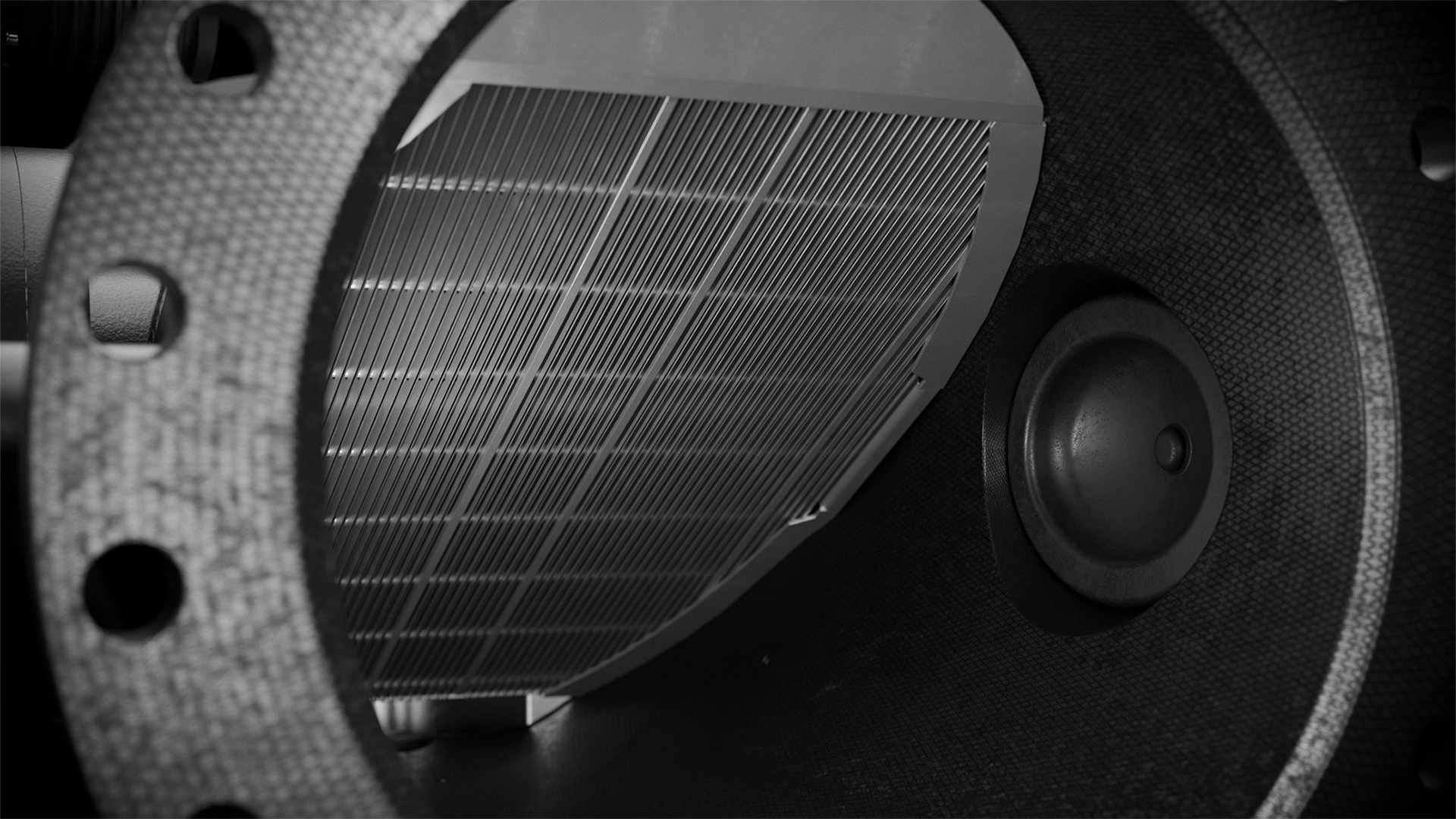
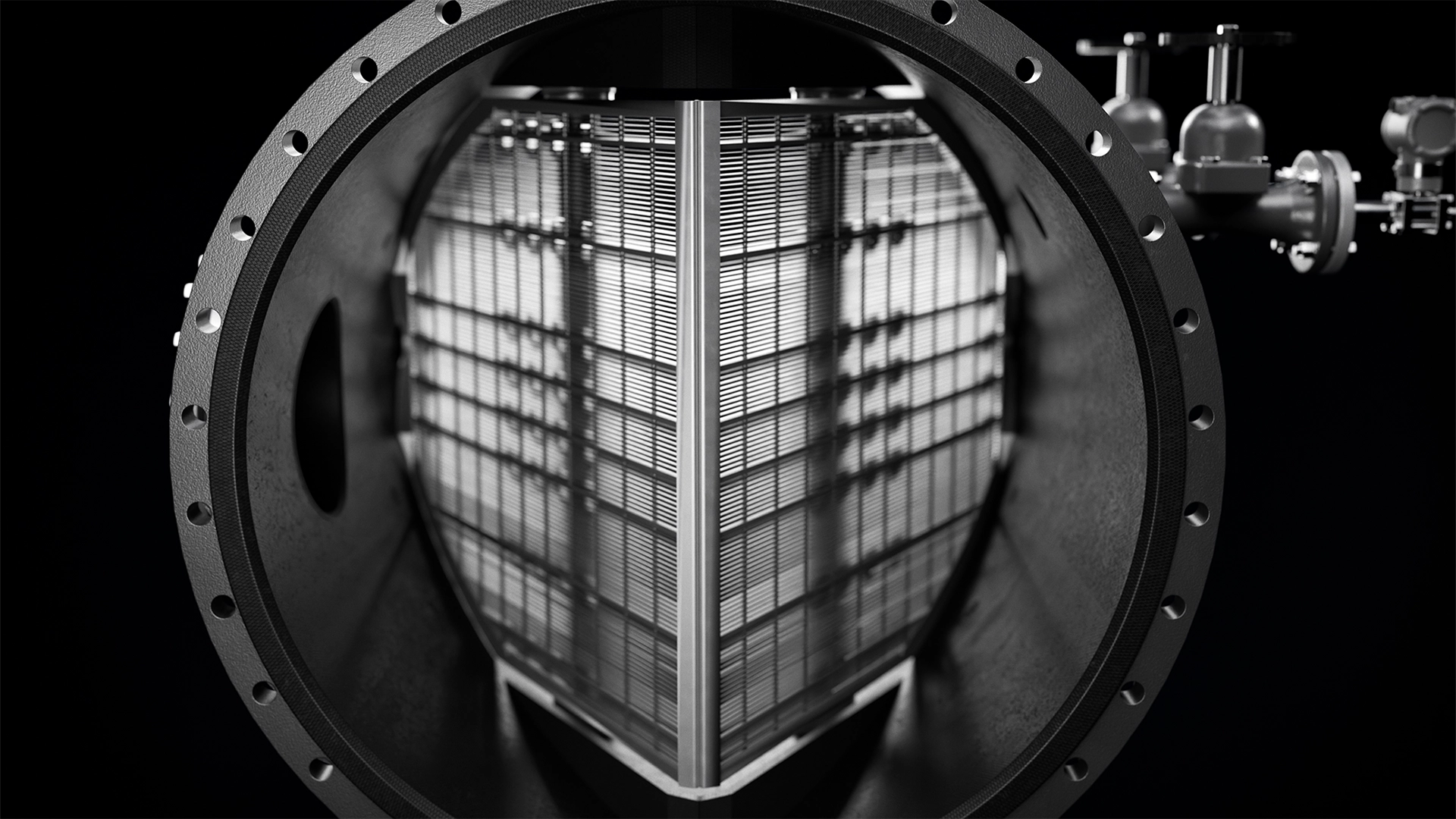
Our Taprogge Systems are equipped with backwashable strainers and reliably prevent microfouling in evaporator and heat exchanger tubes. The aim is to keep the heat transfer coefficient of the heat exchanger as close as possible to the initial value using Taprogge cleaning balls that are specially tailored to the tube type and operating conditions.
Key benefits at a glance
- Globally unique range of Cleaning Balls
- Specialist expertise in the selection and operation of cleaning balls
- Continuous cleaning of heat exchanger tubes without operational interruptions
- Environmentally friendly, chemical-free methods
- Use in straight-tube and U-tube heat exchangers
- Materials adapted to the process conditions, for example corrosion-resistant materials
CONTACT
Questions?
We are all ears!
To leverage the full potential of heat recovery from industrial waste heat, benefit from the expertise of engineers who not only know the technologies and materials but also develop solutions that are tailored to your specific needs. Reach out to us and we will be happy to support you.