Ensuring efficiency, reducing energy consumption
Water-cooled chillers and heat pumps are crucial for reliable refrigeration in many buildings and industrial processes. In order for them to work efficiently, the heat transfer process in evaporators and condensers must remain stable. Microfouling can noticeably impair the heat transfer process even in cooling water circuits that are supposed to be closed. This results in rising differential pressures, unnecessary efficiency losses, and a higher energy consumption for providing the required cooling capacity.
The silent performance killer: Microfouling
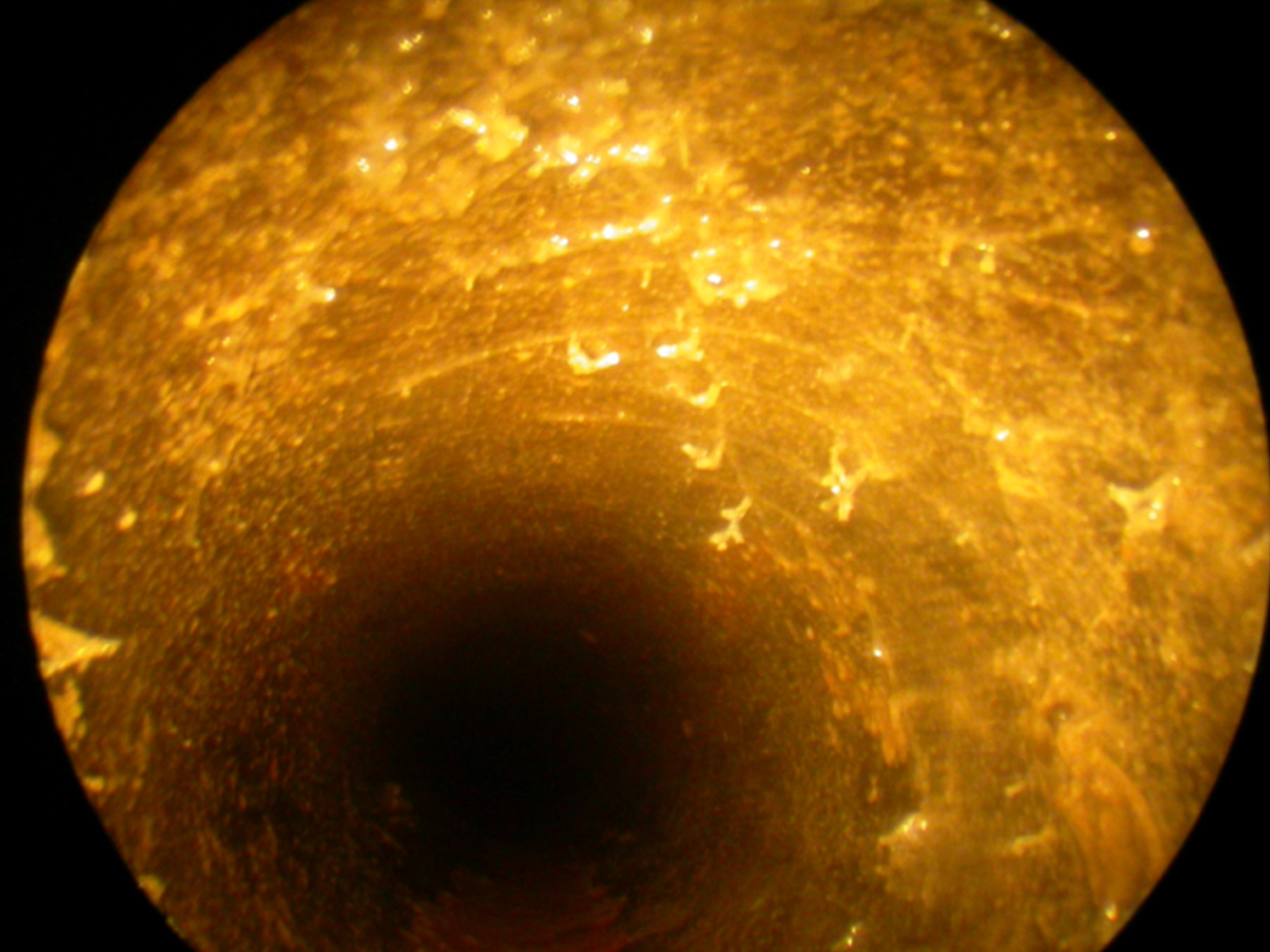
Microfouling often flies under the radar to start with: Fine layers and mineral deposits form on the inner surfaces of the tubes and act as an insulating layer. As a result, the condenser works less effectively, the plant’s performance drops, and operation becomes more expensive. The increased load on the compressors as heat transfer decreases is particularly critical. The system must work harder to provide the same cooling capacity, which can increase energy consumption and maintenance work and reduce availability.
Heat exchanger tubes that stay clean
TAPROGGE Solutions
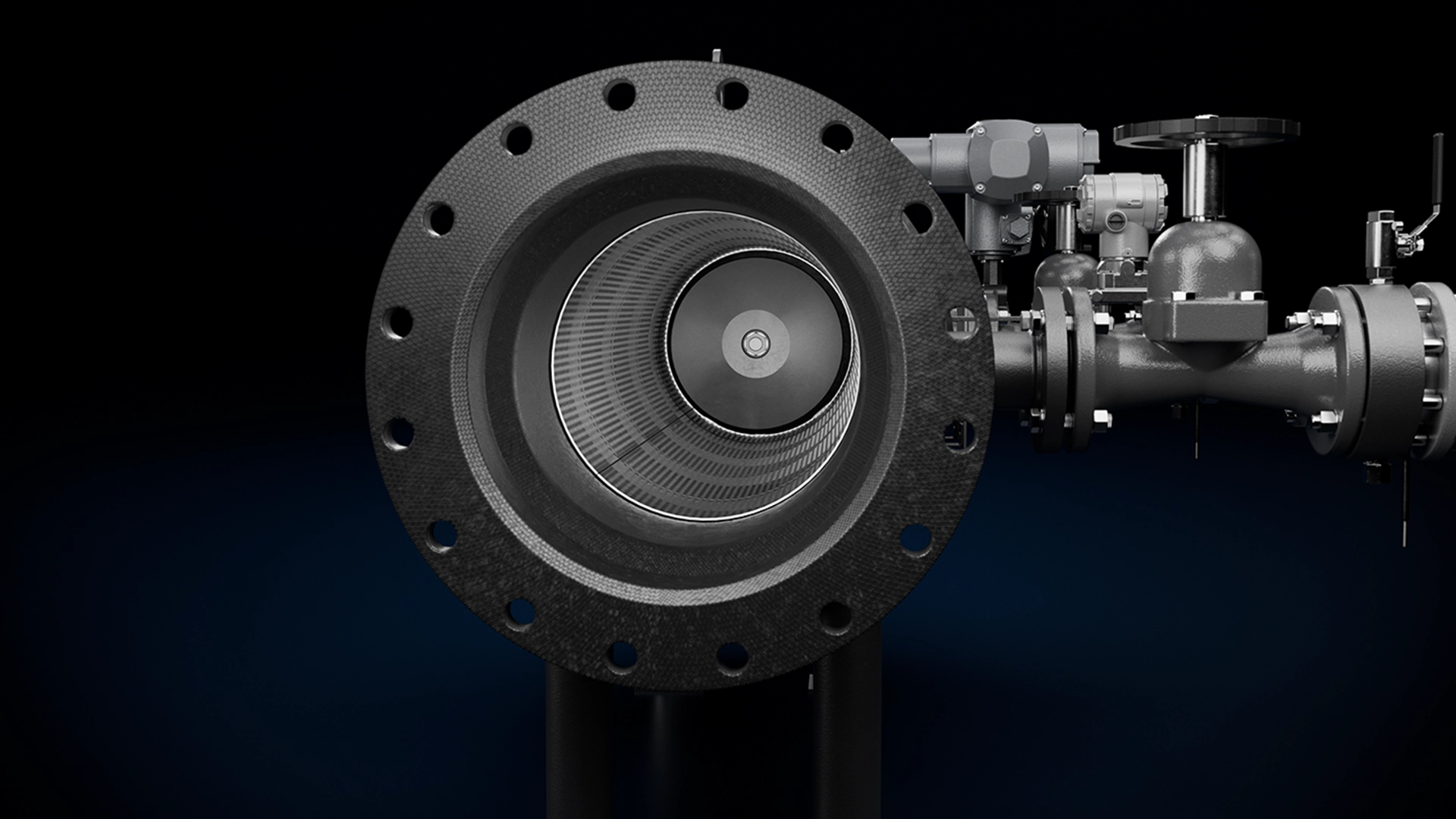
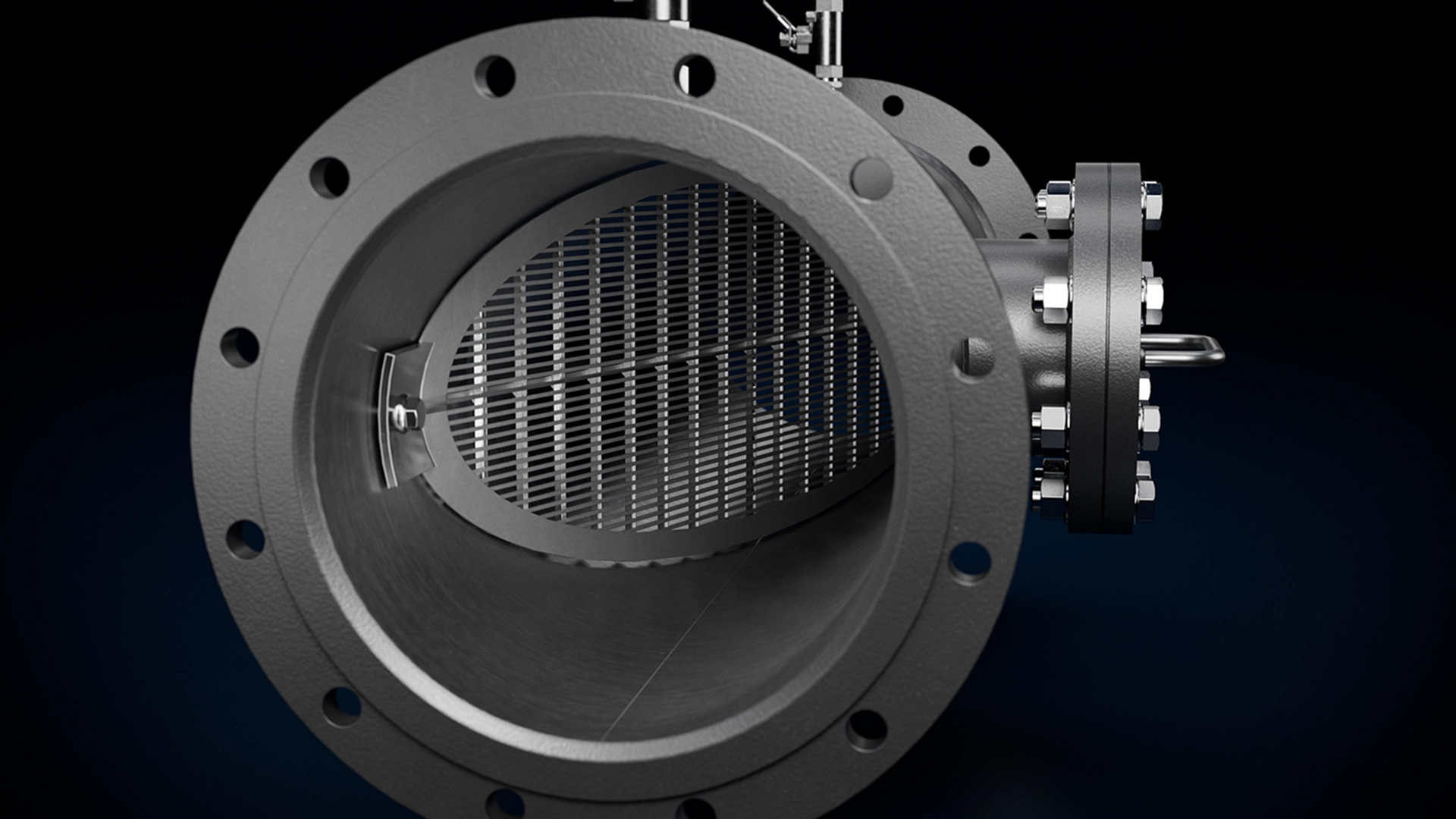
An effective approach for ensuring the efficiency of refrigeration systems is to continuously clean the heat exchanger tubes during ongoing operation. This keeps the inner surfaces of the tubes clean, the heat transfer rate remains high, and differential pressures are stabilized. Shutdowns for cleaning can be reduced or prevented, and the plant delivers reliable performance over long operating times. For typical chiller and heat pump applications with clearly defined constraints, the Taprogge systems T1 and F1 are available as compact, economical solutions for online tube cleaning.
Choosing a concept based on cooling water conditions
Chiller applications vary greatly in terms of water quality, pre-filtration, and the risk of foreign particles in the circuit. As such, a standardized approach is rarely ideal. It is vital to technically assess the process conditions and to choose the right cleaning concept based on this. This means that the cleaning effect can be specifically adapted to the conditions on site and yields maximum benefit in terms of effort, investment, and operational reliability.
The crucial factor of this application
Highly effective pre-filtration is required for reliable online cleaning in order to prevent disruptions caused by coarse particulate fouling. Depending on the pressure level, temperature, and water chemistry, the design should also be reviewed on a case-by-case basis to ensure that the chosen concept operates stably in the long run and that the chiller achieves the desired efficiency gain during operation.