
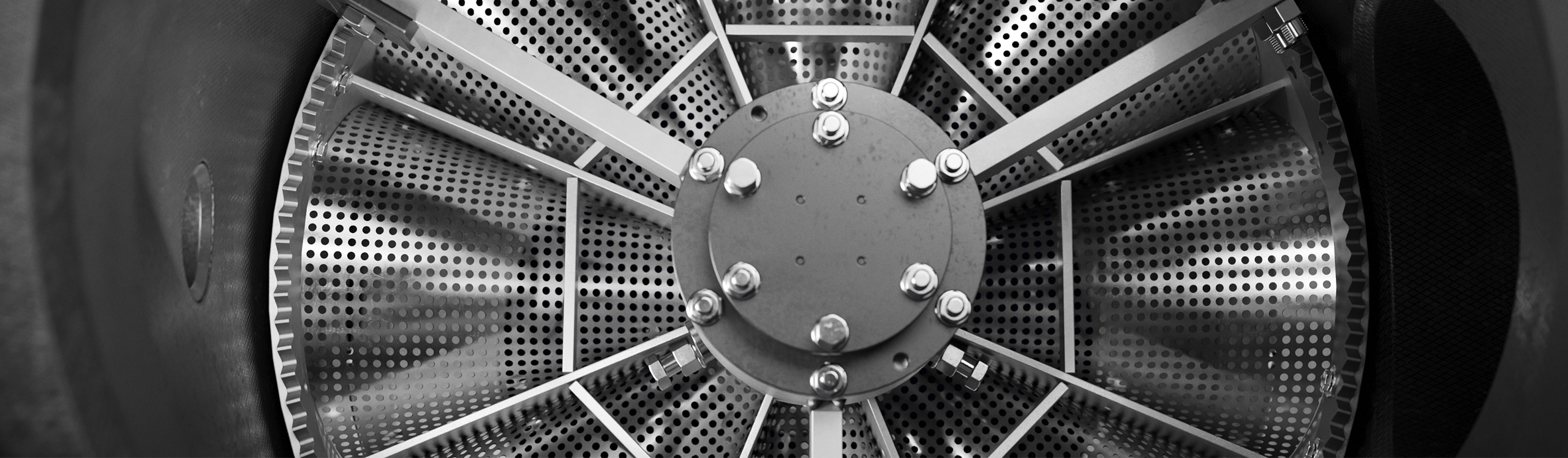
Reliable cooling water filtration
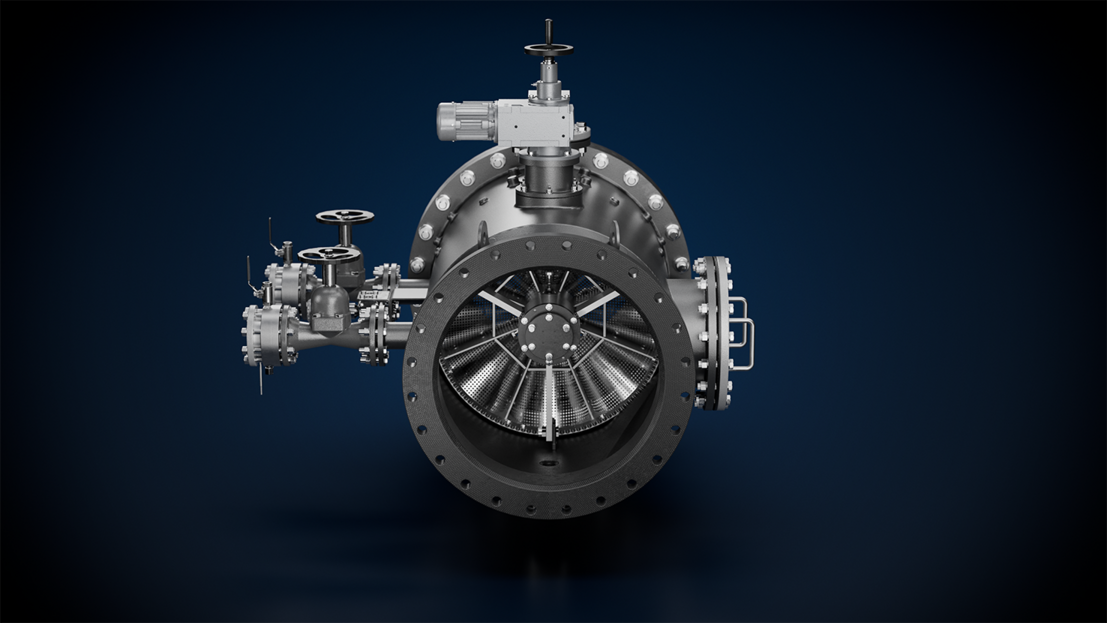
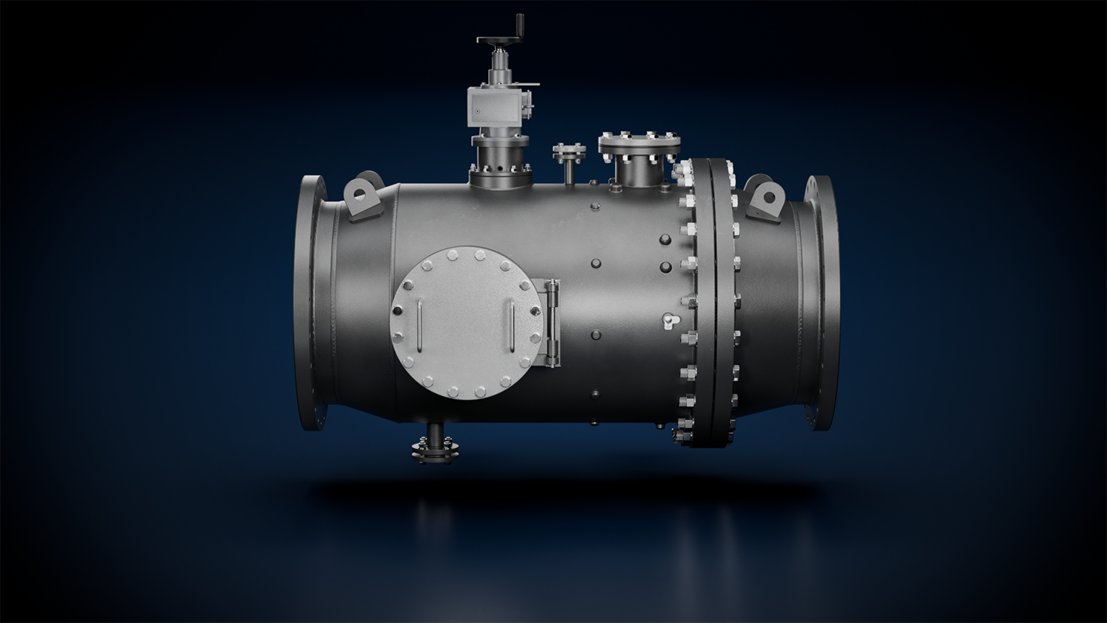
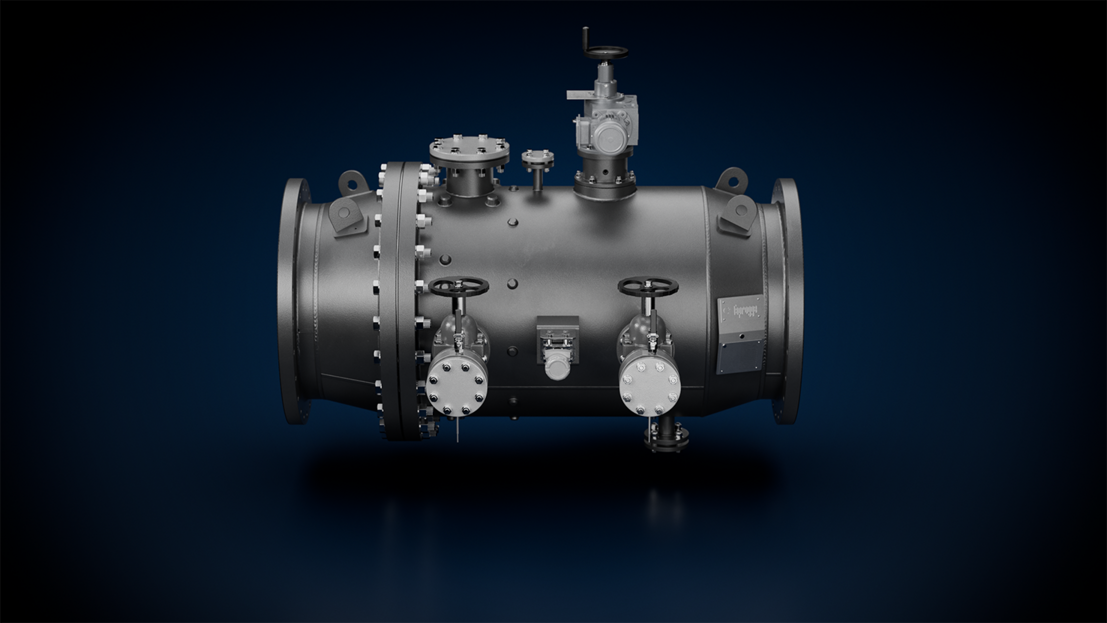
Water circuits operated with surface waters from rivers, lakes, or the sea contain organic and inorganic debris loads even after the water has passed through upstream intake systems and rakes. Particles, fibers, shells, algae, and other foreign matter can clog heat exchanger tubes, increase the pressure loss, and impair the functioning of downstream cleaning systems. The PR-BW 800-RS was developed for large-scale pre-screened water circuits in which reliable automatic filtration is required. With a rotating filter section, a stationary backwash nozzle, and pressure-relieved and differential pressure-controlled backwashing, the system effectively protects condensers/heat exchangers and downstream Taprogge Systems from macrofouling.

Stable operation with automatic filtration
Macrofouling can significantly impair the functioning of heat exchangers and cleaning systems. Deposits and foreign matter disrupt the flow of cooling water, increase the pressure loss, and reduce the operational reliability and availability of downstream components. The PR-BW 800-RS traps debris particles at the filter section and automatically cleans itself during ongoing operation. The backwashing is triggered by the differential pressure as soon as the filter section has become clogged to a certain extent. This helps to ensure a stable flow of cooling water and reduces the need for manual intervention during normal operation.
Core technological principle
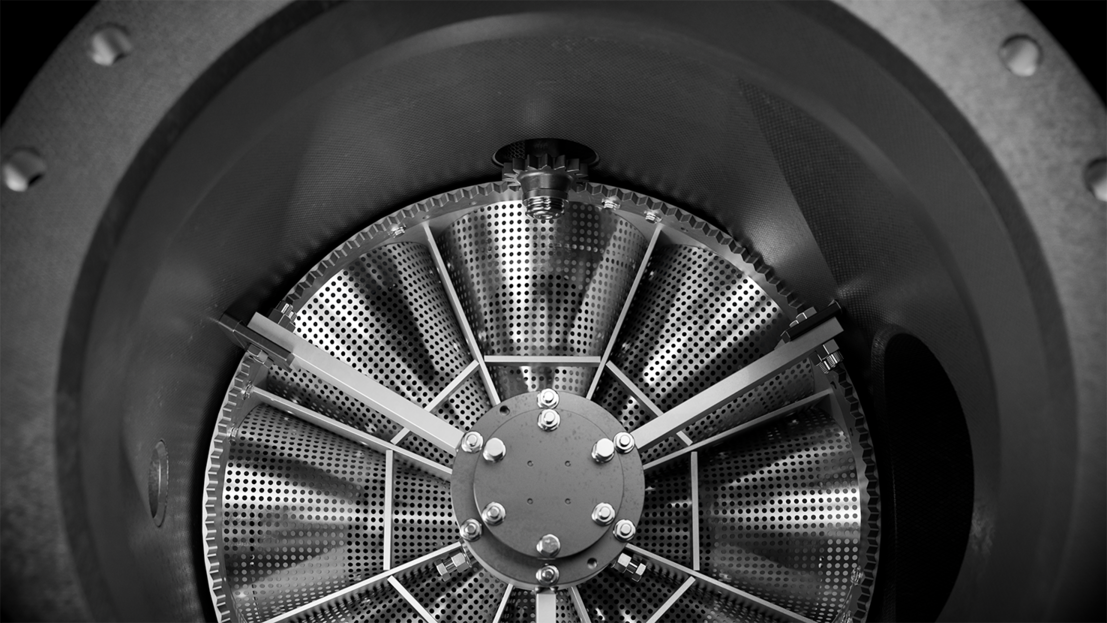
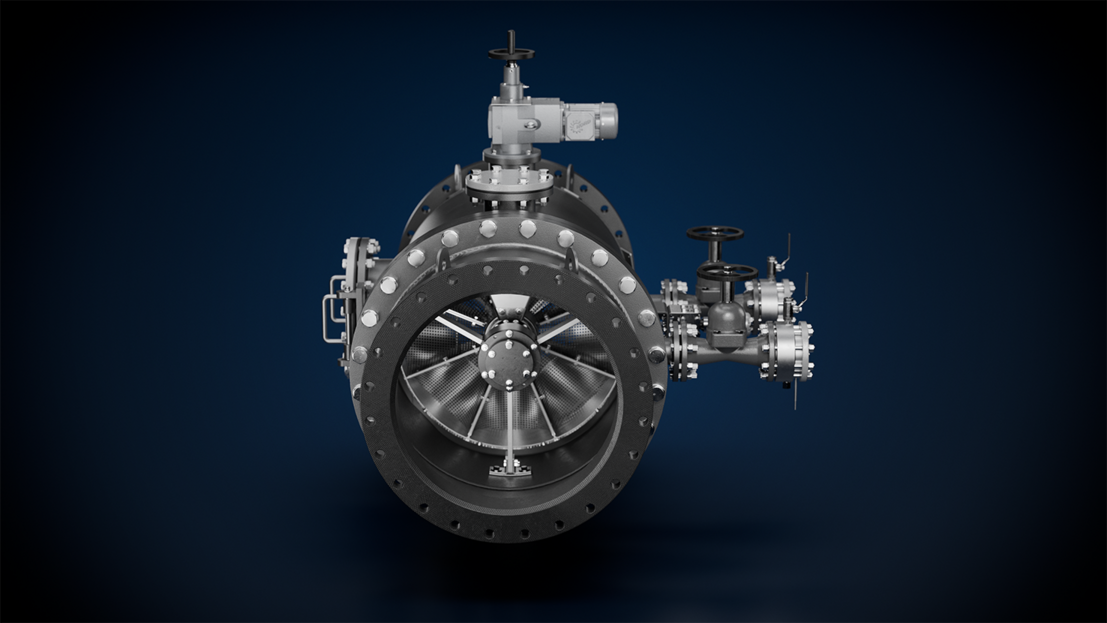
The PR-BW 800-RS functions according to the pressure-relieved backwash principle. The cooling water to be filtered flows from the dirty side through the filter section. The filtered water leaves the filter on the clean side, while debris particles are trapped at the filter section. The differential pressure rises with increased clogging and is monitored continuously. As soon as the defined threshold value is reached, the debris discharge valve opens and connects the filter to a zone of lower pressure via the debris discharge pipe. This produces a strong reverse flow of already filtered water in the region of the stationary backwash nozzle.
During the backwash process, the filter surface rotates around the center of the filter and the individual filter chambers pass underneath the stationary backwash nozzle arranged immediately above. The filter chamber that is passing underneath at a given point in time is relieved of the differential pressure from the inflowing cooling water. At the same time, the direction of flow reverses. The detached debris is flushed out and discharged into the cooling water discharge pipe behind the condenser or heat exchanger.
We have developed special concepts for operation in closed cooling water circuits.
The benefits at a glance
- Protects large-scale water circuits from macrofouling
- Automatic operation with differential pressure-controlled backwashing
- Helps to ensure stable operation of heat exchangers and Taprogge Systems
- Reduces process disruptions caused by the ingress of debris
- Very little water required for backwashing
- Suitable for new construction projects and retrofit applications
- Tried-and-tested technological principle from the PR-BW product family
Integration and installation variants
The PR-BW 800-RS can be used both in new plants and in retrofit projects. The use-case specific design takes into account the entire path of the water – from pre-screening to filtration to downstream components.
The following factors are crucial:
- Fouling type and concentration
- Volume flow
- Installation situation
- Existing pre-screening
- Requirements relating to filter fineness and operational reliability
- Interplay with heat exchangers and downstream Taprogge systems
By systematically considering these factors, we ensure that coarse debris discharge, automatic filtration, and condenser tube cleaning work together in unison.
Backwashing with minimal water consumption
Depending on the pressure loss across the debris discharge pipe, the backwash process only requires 2–5% of the quantity of cooling water to be filtered. As the backwash process is only brief, the cooling water supply to the heat exchanger is more or less unaffected.
The system offers the following benefits:
- No additional backwash pump required
- Extremely low flushing water losses
- Low pressure loss
- Automated 24/7 operation
- High operational reliability with suitable pre-screening
- Automatic reversal of the rotor’s direction of rotation in the event of a blockage
Key technical data
| Volume flow: | 2,000–100,000 m³/h |
| Connection diameters: | DN 800–DN 3,400, with adaptation to smaller pipe diameters via suitable reductions possible |
| Filter fineness: | 2–13 mm; additional filter finenesses upon request |
| Filter elements: | Perforated sheet or grid made of stainless steel, Cling-Free©, hybrid |
| Housing: | Rubber-lined steel |
| Temperature: | 80 °C |
| Debris discharge capacity: | Up to 1.3 l/m³ cooling water |
| Control: | Programmable logic controller (PLC) |
| Options: | FilterOptimizer, Remote Monitoring |
| Special designs: | Upon request |
System design
The PR-BW 800-RS is designed for standard use cases with moderate debris loads and requires effective upstream pre-screening. However, for applications with particularly stringent debris removal requirements or for “lean intakes” – intake concepts for protecting pumps – the PR-BW 800 is required.
Taprogge also has a range of other filter concepts in its portfolio for lower volume flows or special installation conditions.
Typical applications
The PR-BW 800-RS reliably filters water flows with significant but manageable debris loads. This requires suitable pre-screening that removes very large items of debris in the inlet region.
Typical fields of application include:
- Power plants with an open cooling water circuit (once-through cooling)
- Power plants with a closed cooling water circuit (recirculation cooling / cooling tower operation)
- Large industrial cooling water systems
- Seawater desalination plants
- Large-scale heat pumps
The PR-BW 800-RS is typically used upstream of the heat exchanger to be protected and upstream of a Taprogge System.