Efficiency through evaporator effects
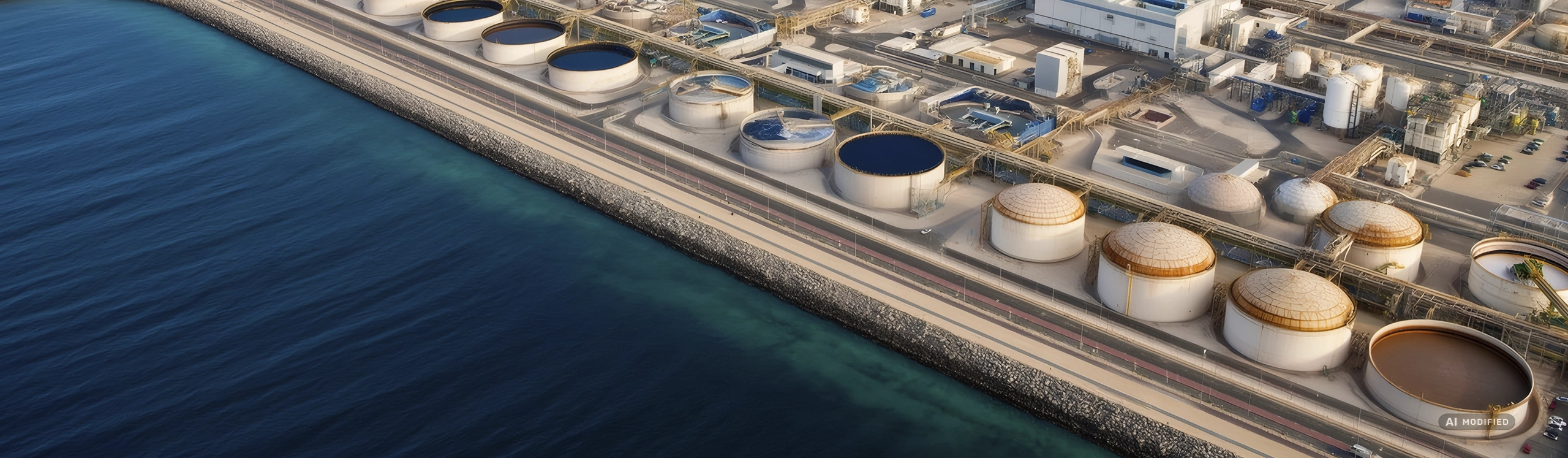
Thermal seawater desalination plants that operate according to the multi-stage flash (MSF) or multi-effect distillation (MED) principle play a key role in the supply of drinking water. These methods are characterized by a multi-stage distillation process in which the number of evaporator effects is a key factor determining the energy use and thus the profitability of the plant.
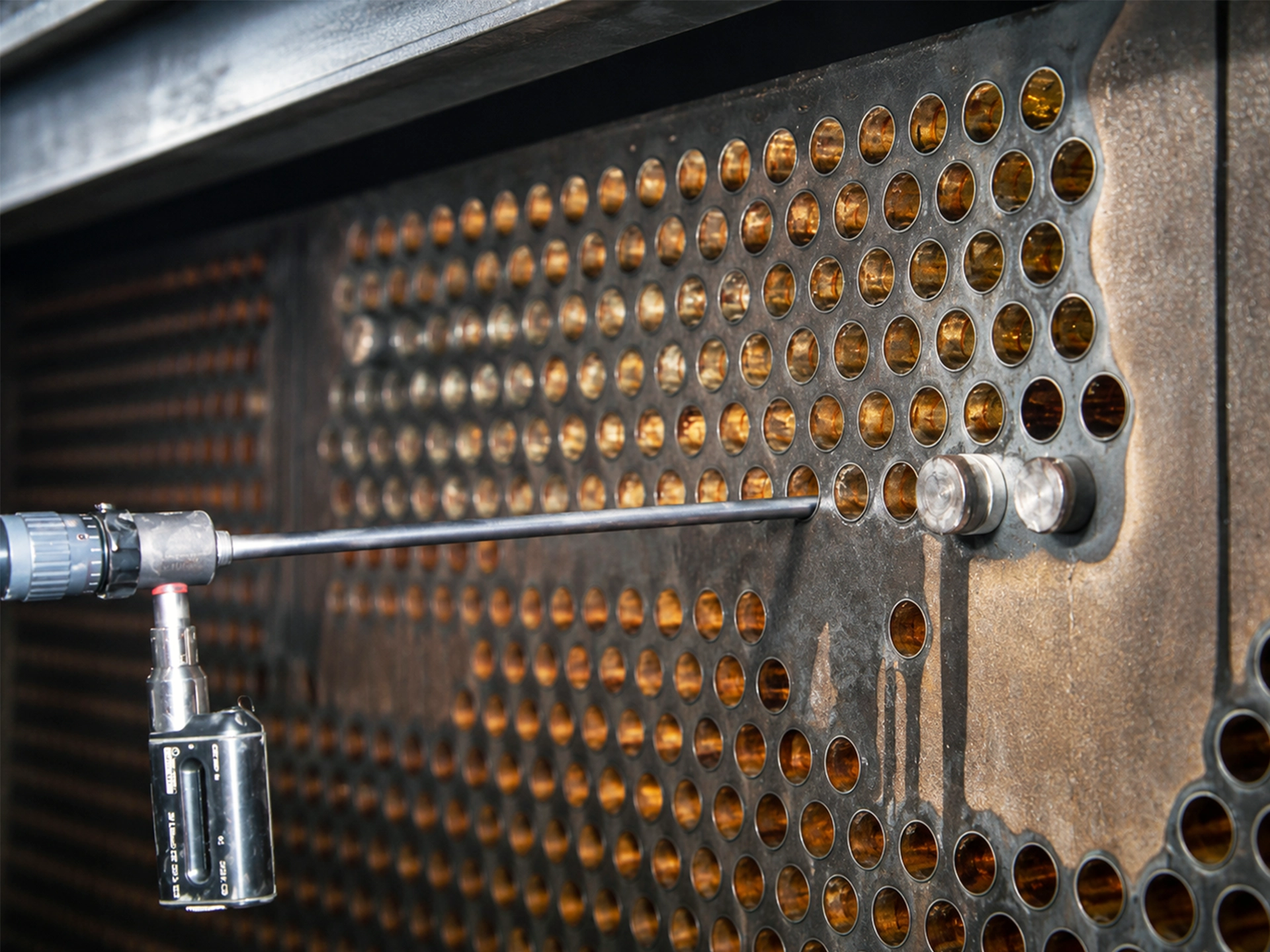
Why scaling gets expensive
The biggest operational challenge in these processes is the precipitation of water-hardening salts, in particular CaCO₃. Heating the water causes hard, insulating deposits to form on the insides of the heat exchanger tubes. This phenomenon, known as scaling, substantially reduces heat transfer and significantly increases the amount of energy required for the same quantity of distillate. To counter this, plant owners must use costly antiscalants and shut down their plants on a regular basis for laborious manual cleaning work.
Our systems for water intake
TAPROGGE Products
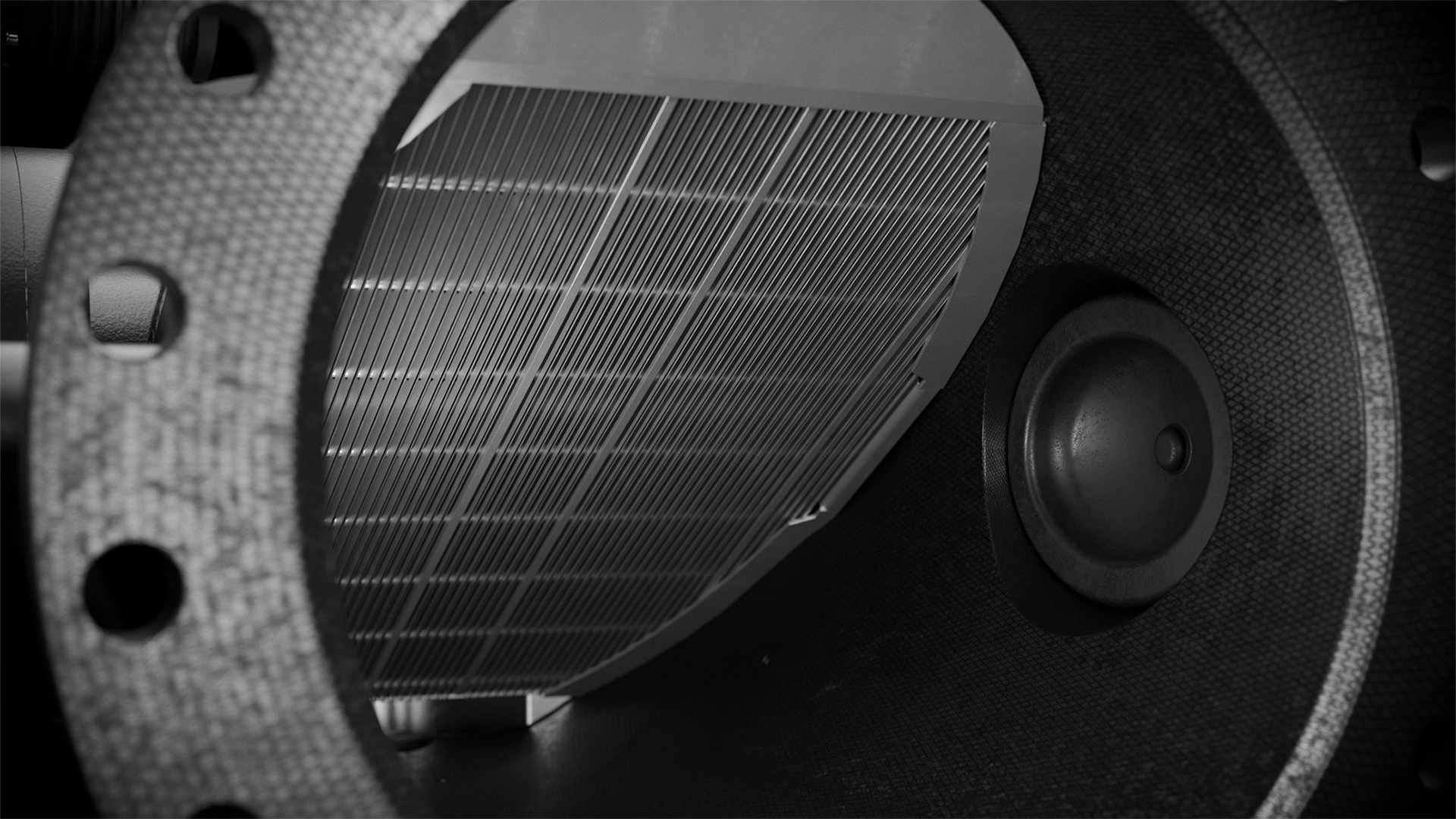
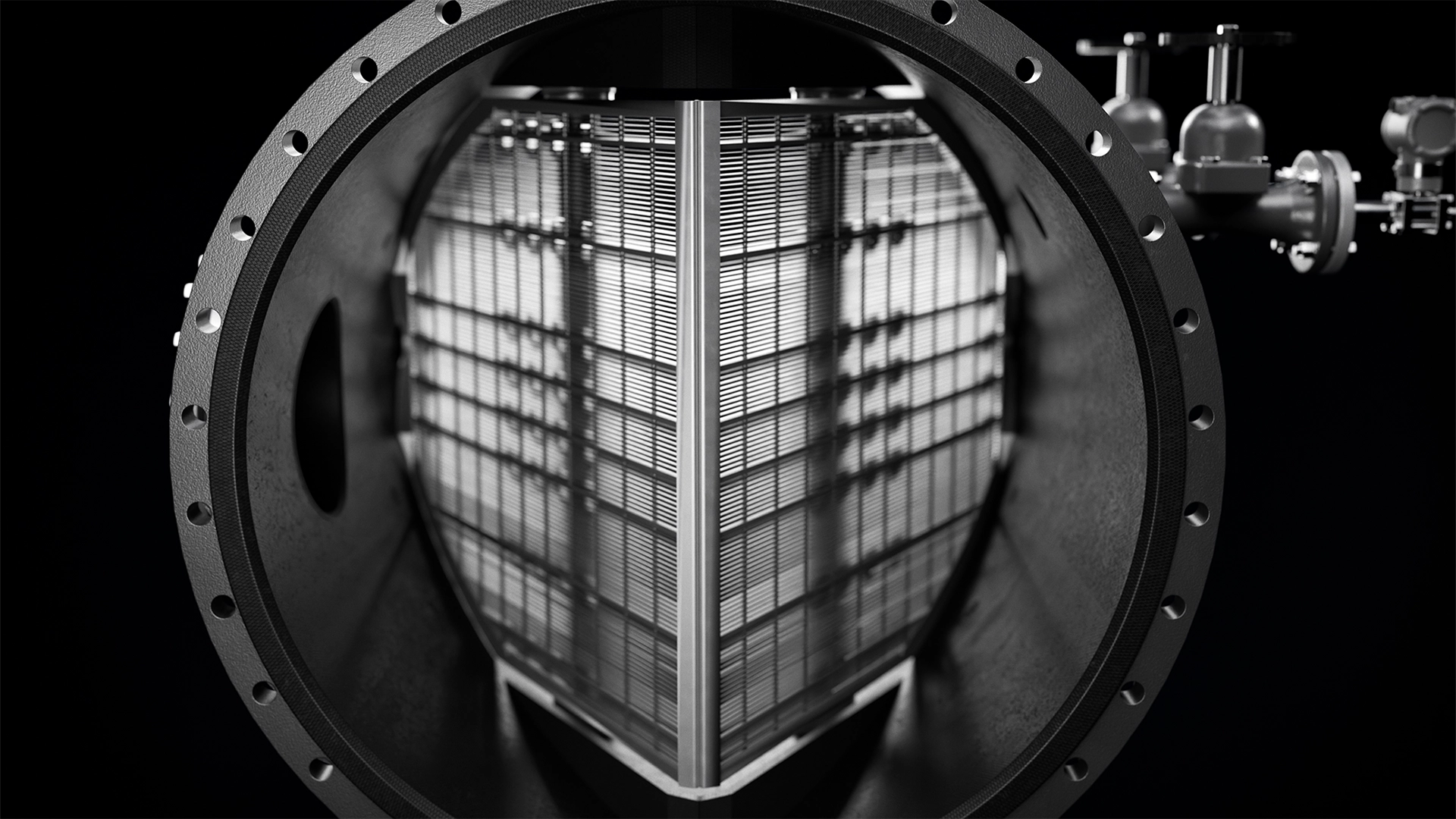
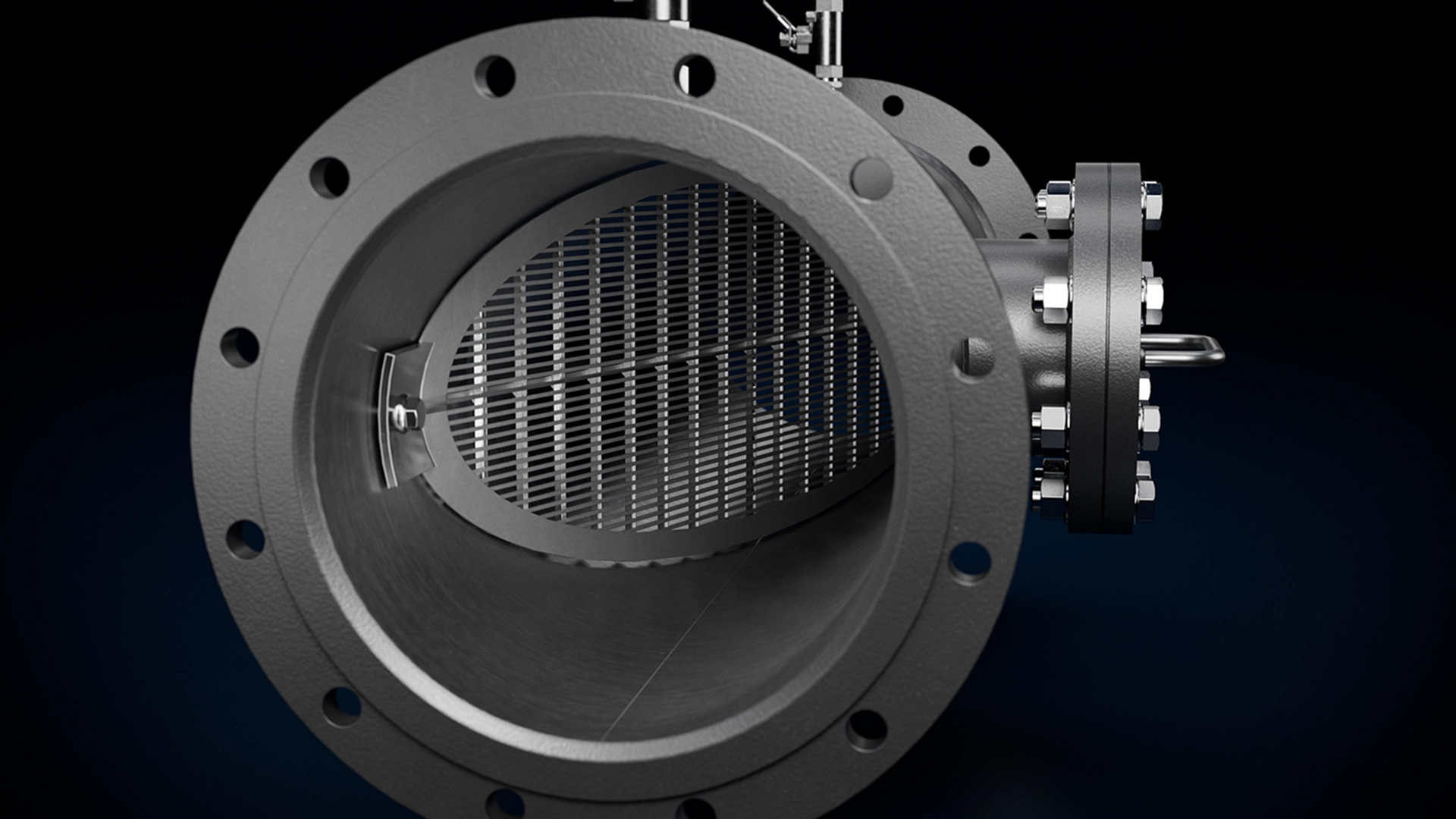
The Taprogge System for continuously cleaning evaporator tubes prevents the formation of scaling deposits, thus ensuring a consistently high heat transfer rate. This is achieved using cleaning balls that continuously circulate through the evaporator tubes. They mechanically remove nascent mineral deposits before they can form a hardened layer. This keeps the heat transfer surfaces clean and free from insulating layers at all times – without the need for external intervention or process interruptions.
Performance that pays off
For you as the owner, this measurably increases the plant’s capacity while also lowering operating costs. The constantly high heat transfer rate stabilizes the thermal efficiency and keeps the drinking water production rate at a high level. At the same time, the need for antiscalants is minimized, which is beneficial both in terms of environmental footprint and operational expenditures (OPEX). Finally, because the number of cost- and time-intensive shutdowns for manual cleaning is significantly reduced, plant availability increases and lifecycle costs fall in the long term.