Dual energy use: The modern geothermal energy solution
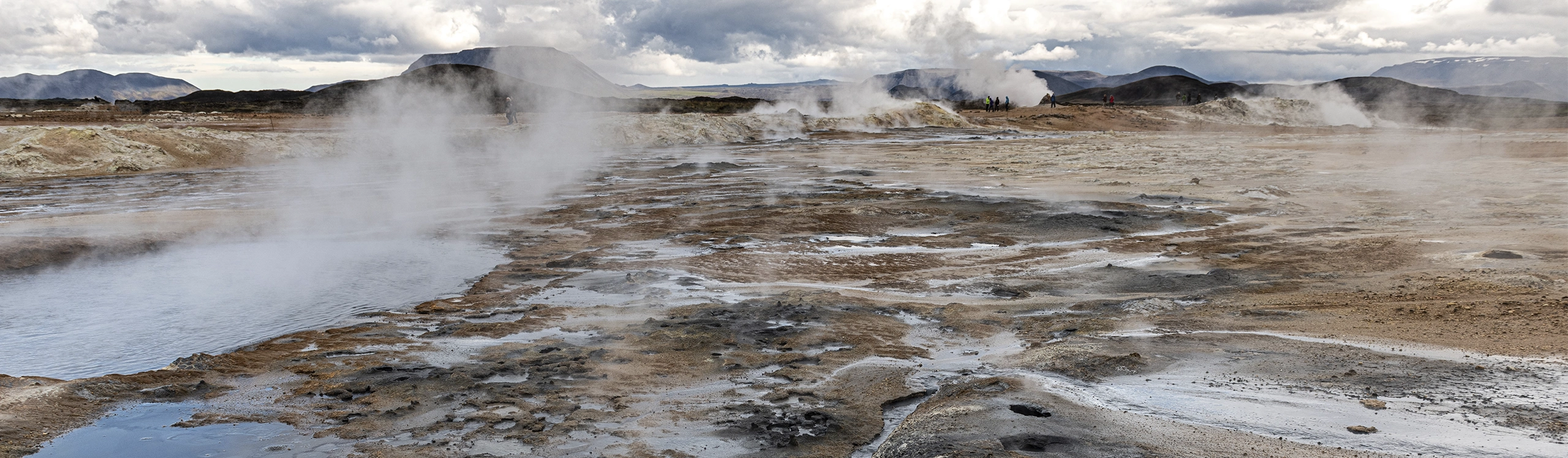
In geothermal power plants, hot water is taken from geothermal sources at high pressure and then quickly depressurized to a lower pressure in a special container (flash vessel). The sudden pressure drop evaporates some of the water into steam (flash steam). The steam rises upward and is conveyed to a turbine, which is driven in order to generate electricity. The remaining, unevaporated water (also referred to as brine) collects at the base of the container, where it is drained. The brine is often at a temperature of around 160°C and therefore harbors significant potential for additional energy generation, for example in an Organic Rankine Cycle (ORC). A special working fluid is evaporated and then expanded in a turbine. In the process, the geothermal brine cools as the working fluid evaporates.
The challenge: Silicate scaling
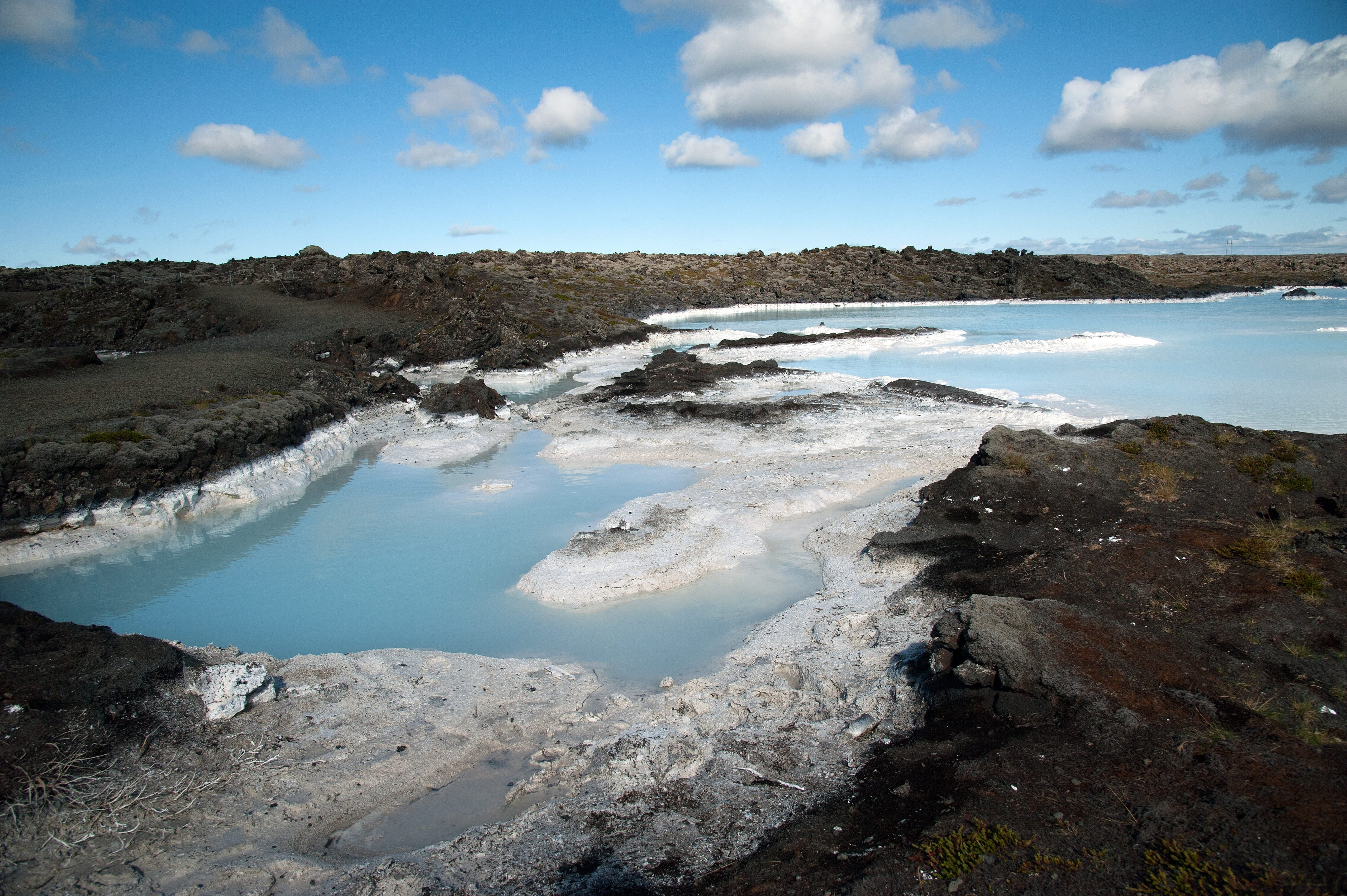
Geothermal water poses a unique challenge in that it contains relatively high concentrations of dissolved silicates, the solubility of which in water is reversible. When the water cools, the solubility of the silicates decreases and they precipitate. They are deposited on the heat transfer surfaces as silicate scaling and significantly impair the heat transfer. In practice, this is one of the biggest obstacles to efficient power generation from geothermal water.
Our solution: The Klaren Heat Exchanger
TAPROGGE Products
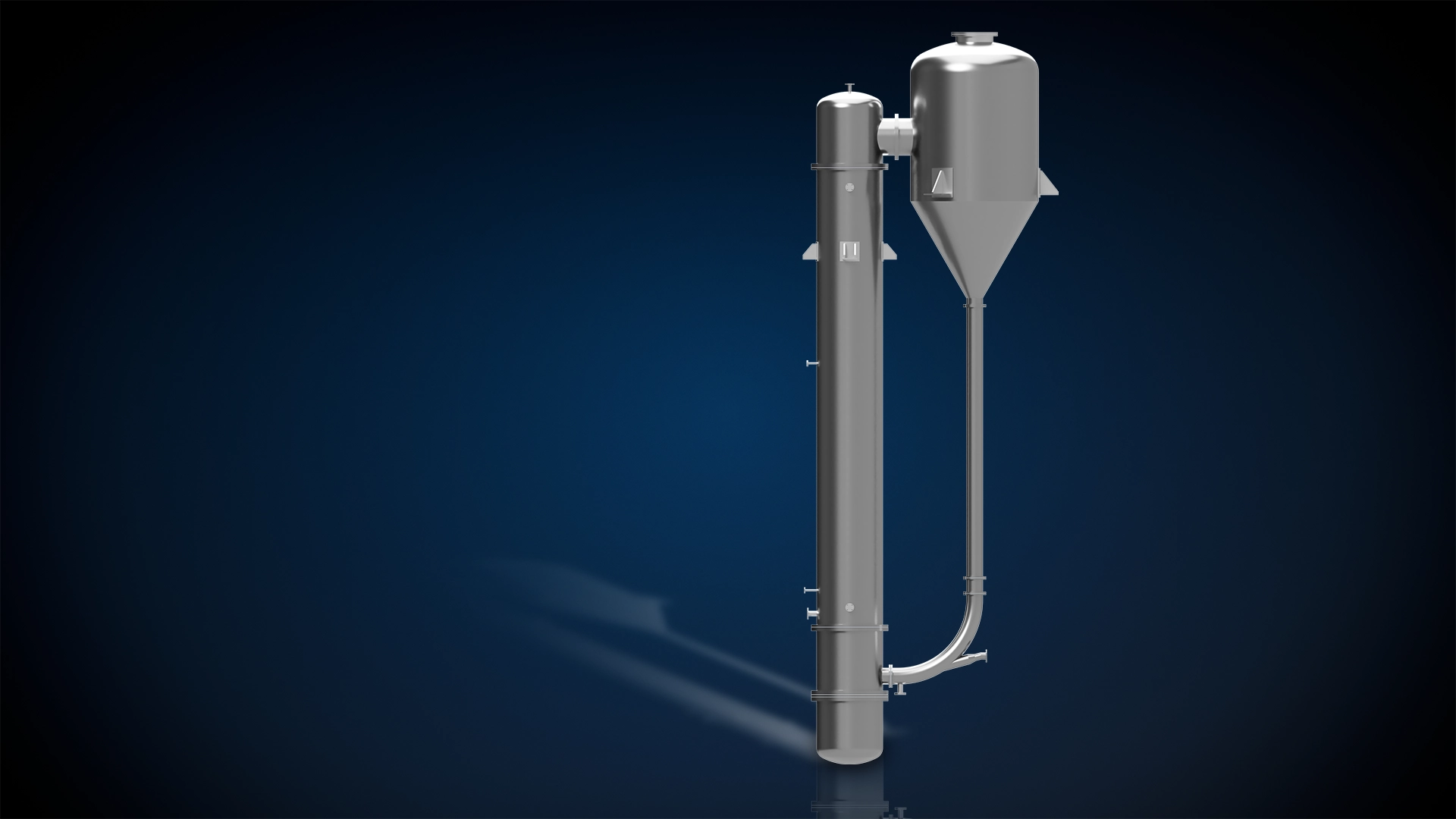
Our self-cleaning Klaren Heat Exchanger is designed specifically for this challenge. The geothermal brine flows through a tube bundle that has a fluidized bed of free-moving solid particles. These particles constantly collide with the tube inner walls, mechanically removing any deposits that form and preventing a closed silicate layer from forming. This keeps the heat transfer surface largely free from silicate scaling. This means that the high temperature of the brine can be utilized much better for the ORC process. The result is increased and sustained power generation with reduced operating and cleaning costs.