Continuous condenser tube cleaning
The formation of deposits on internal surfaces of condenser tubes (microfouling) significantly impairs the transfer of heat in heat exchangers, turbine condensers, and evaporators – even the thinnest layers of deposits have noticeable effects. In thermal power plants, in particular, microfouling leads to measurable performance losses. The transfer of heat at the surfaces of the condenser tubes deteriorates, the efficiency of the turbine condenser decreases, and turbine capacity drops as a result of thermodynamic laws. In order to maintain the turbine capacity, a larger amount of fuel needs to be supplied, which increases CO₂ emissions. The same applies to thermal seawater desalination. The deterioration in the transfer of heat in the evaporator tubes has a direct negative impact on the distillation capacity and leads to a significant drop in the quantity of drinking water produced. Unchecked corrosion and unplanned shutdowns can have further knock-on effects. A Taprogge cleaning system effectively prevents these drawbacks. It produces a lasting improvement in the condenser heat transfer process thanks solely to a mechanical cleaning method. For power plants, this means that turbine capacity is maintained while fuel consumption is kept low. At the same time, CO₂ emissions are reduced – something which we all benefit from. This makes the Taprogge system an indispensable tool for saving costs in thermal power plants through higher energy efficiency.
System architecture as a success factor
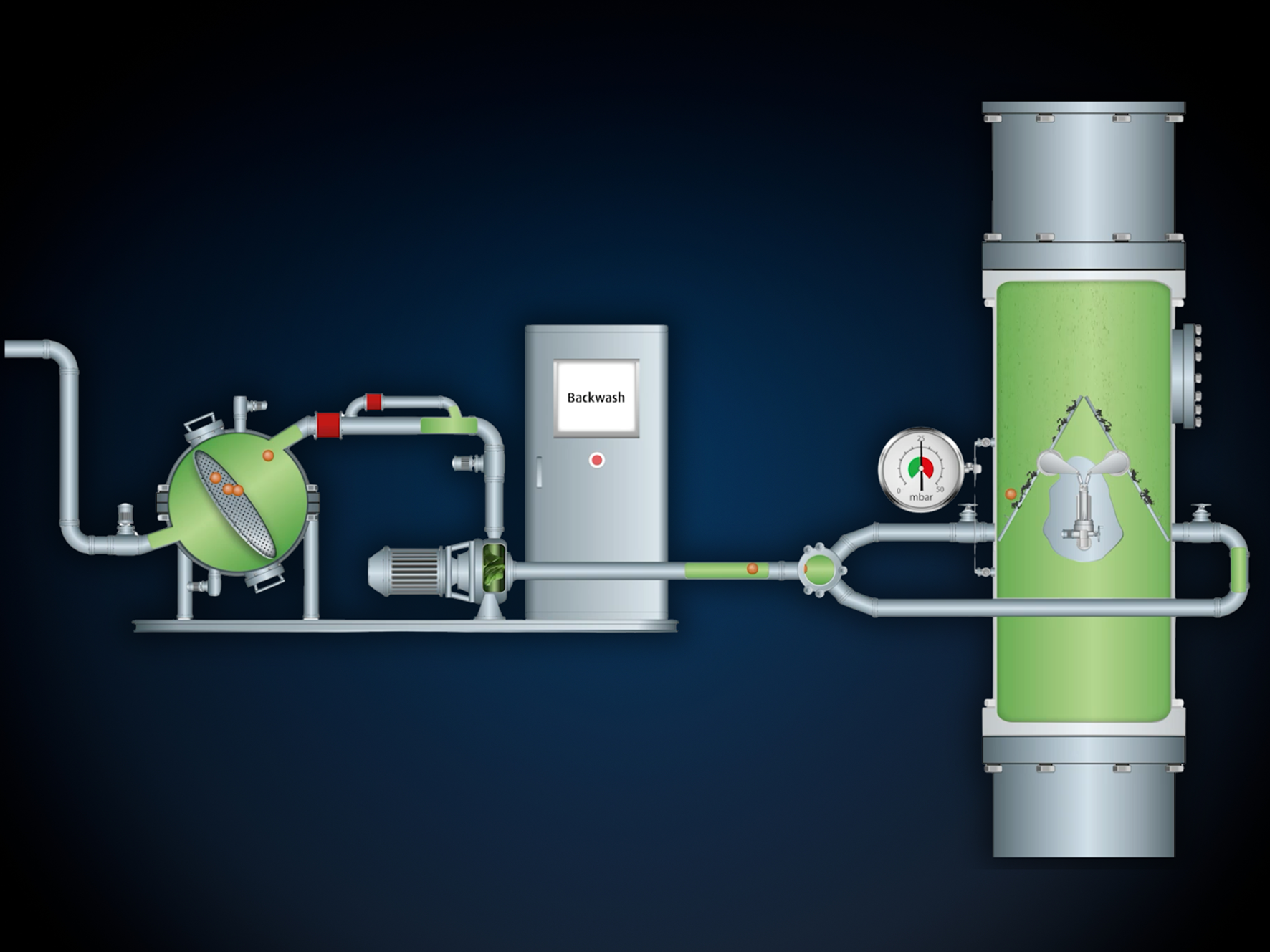
The Taprogge Tube Cleaning System consists of three complementary components:
Ball injection device
The Cleaning Balls are introduced into the cooling water flow in a controlled manner
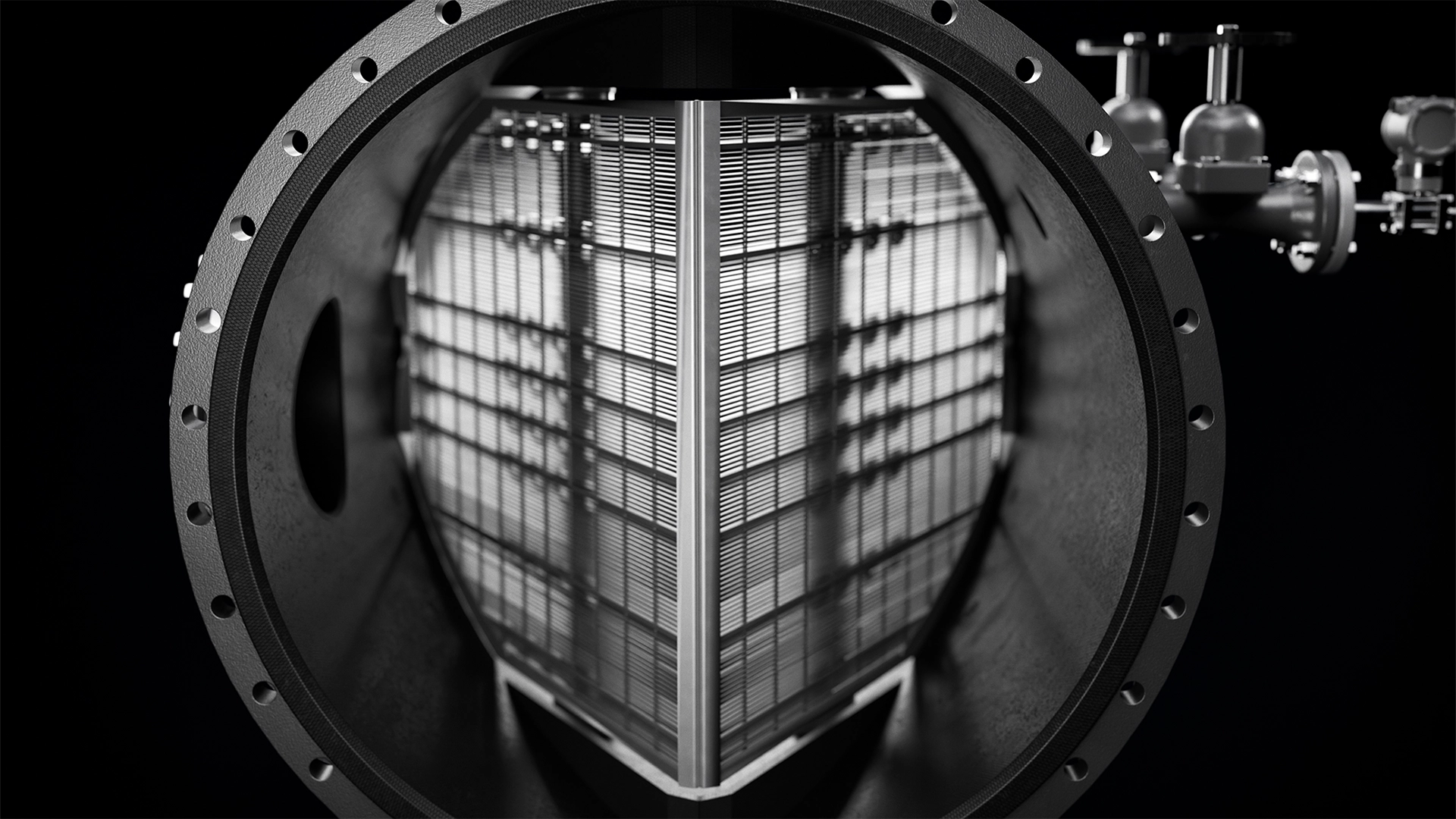
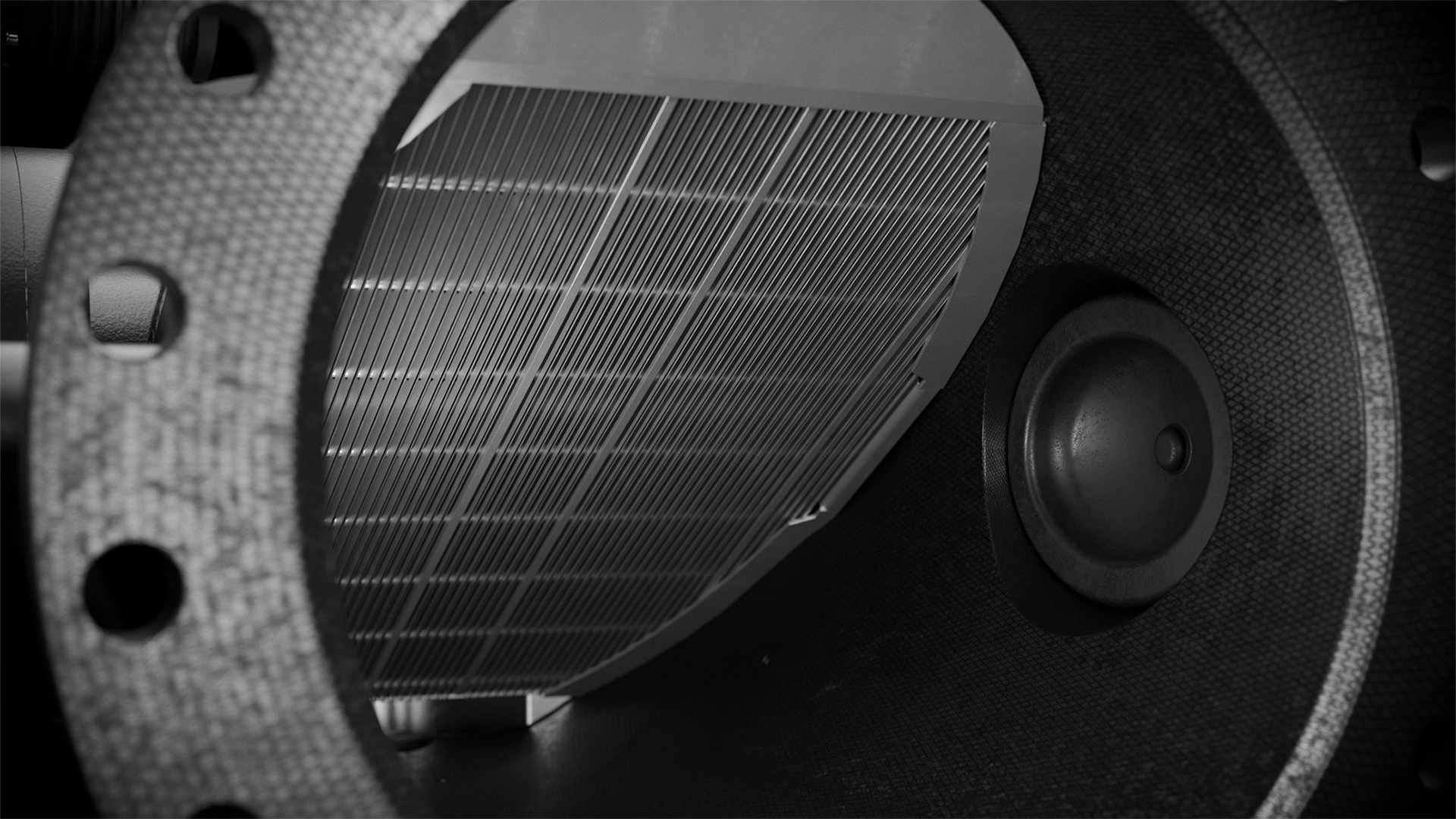
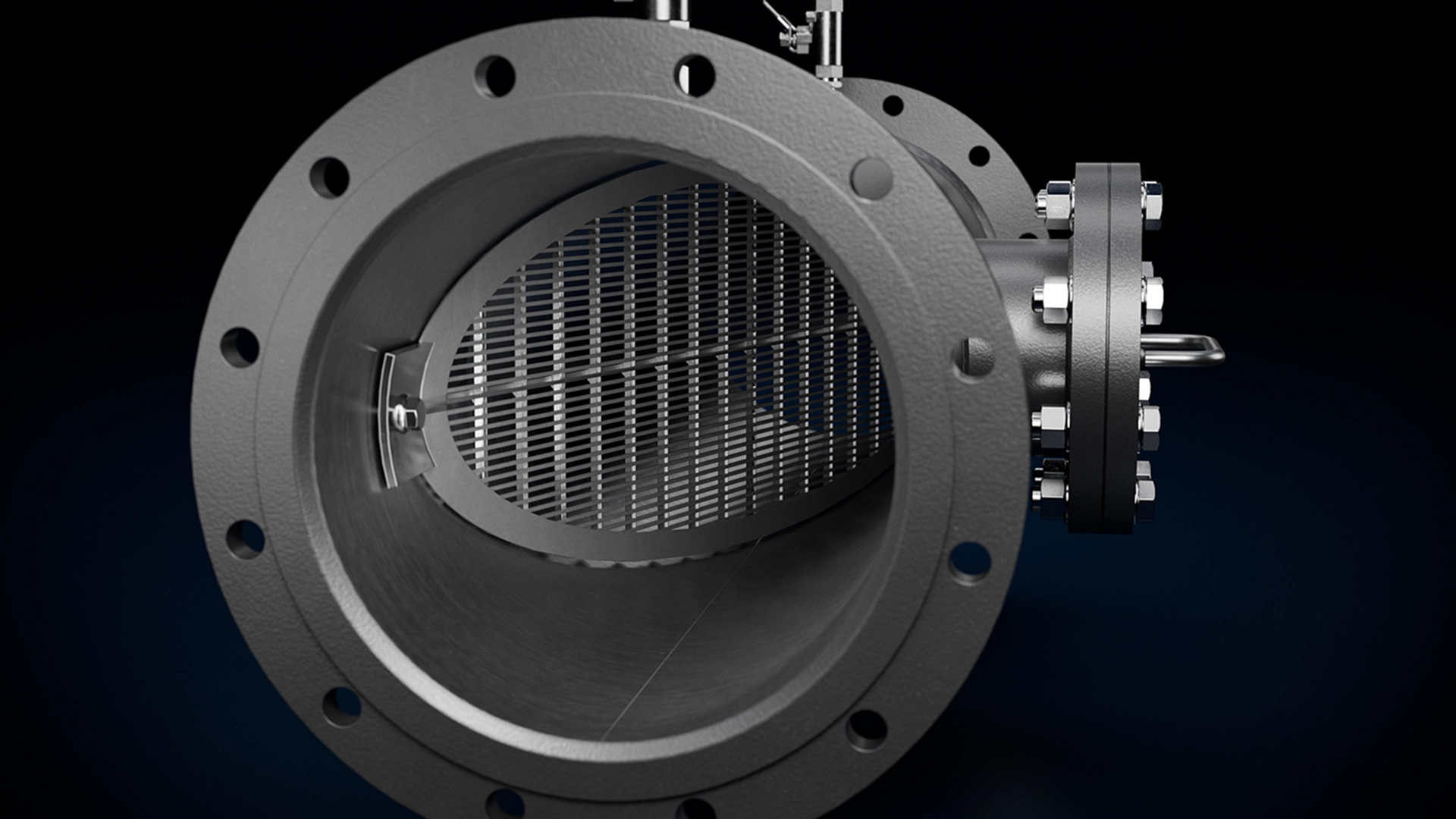
Strainer
The balls are separated immediately after passing through the condenser tubes
Ball recirculating unit
The Cleaning Balls are transported from the strainer outlet back to the ball injection device, with balls being replaced when necessary and their circulation through the system being monitored.
Operating principle
Taprogge Cleaning Balls circulate in the cooling water circuit during ongoing operation, preventing the formation of deposits on the inside of the condenser tubes. When they move through the condenser tubes, they mechanically remove deposits from the inner surfaces of the tubes. This cleaning takes place without interrupting operation and keeps heat transfer stable in the long term.
Financial benefits
Mechanical pipe cleaning provides effective protection against microfouling. It saves fuel costs, reduces CO2emissions, and consistently enables attractive payback periods. Our company’s invention is now used in over 18,000 plants across the world and is the industry standard in power plants and industry.
Ball injection device, Strainer and Ball recirculation unit
Technically coordinating these three mechanical components forms the basis for a closed circuit as well as reliable cleaning ball circulation. However, the cleaning balls themselves are crucial. As an integral component of a Taprogge Cleaning System, they determine whether cleaning is successful. Effective cleaning results from the interplay between the cleaning balls, tube material, water chemistry and hydraulic conditions, as well as the type of microfouling in the relevant application scenario. As a result, the design is always use-case specific, with our application consultants choosing the right solution from among hundreds of ball types. Experience from our laboratories and thousands of cleaning systems in a wide variety of bodies of water around the world forms the basis of our expertise.
The Cleaning Balls are key.
Adaptation to different applications
The Taprogge Tube Cleaning System is designed, engineered, and optimized on a project-by-project basis. The ball infeed and recirculation unit are tailored to the specific installation situation and hydraulic boundary conditions. The strainer is designed according to the hydraulic conditions in the water system and the selected type of Cleaning Balls – including how they roll down the strainer. The volume flow in the water system is another crucial factor. Protecting the heat exchanger from macrofouling and debris is vitally important for ensuring the reliability of the strainer. This is typically achieved using Taprogge debris filters.