Skip to main navigation Skip to main content Skip to page footer
Chemicals

Industries

Chemicals

Making demanding processes stable and efficient

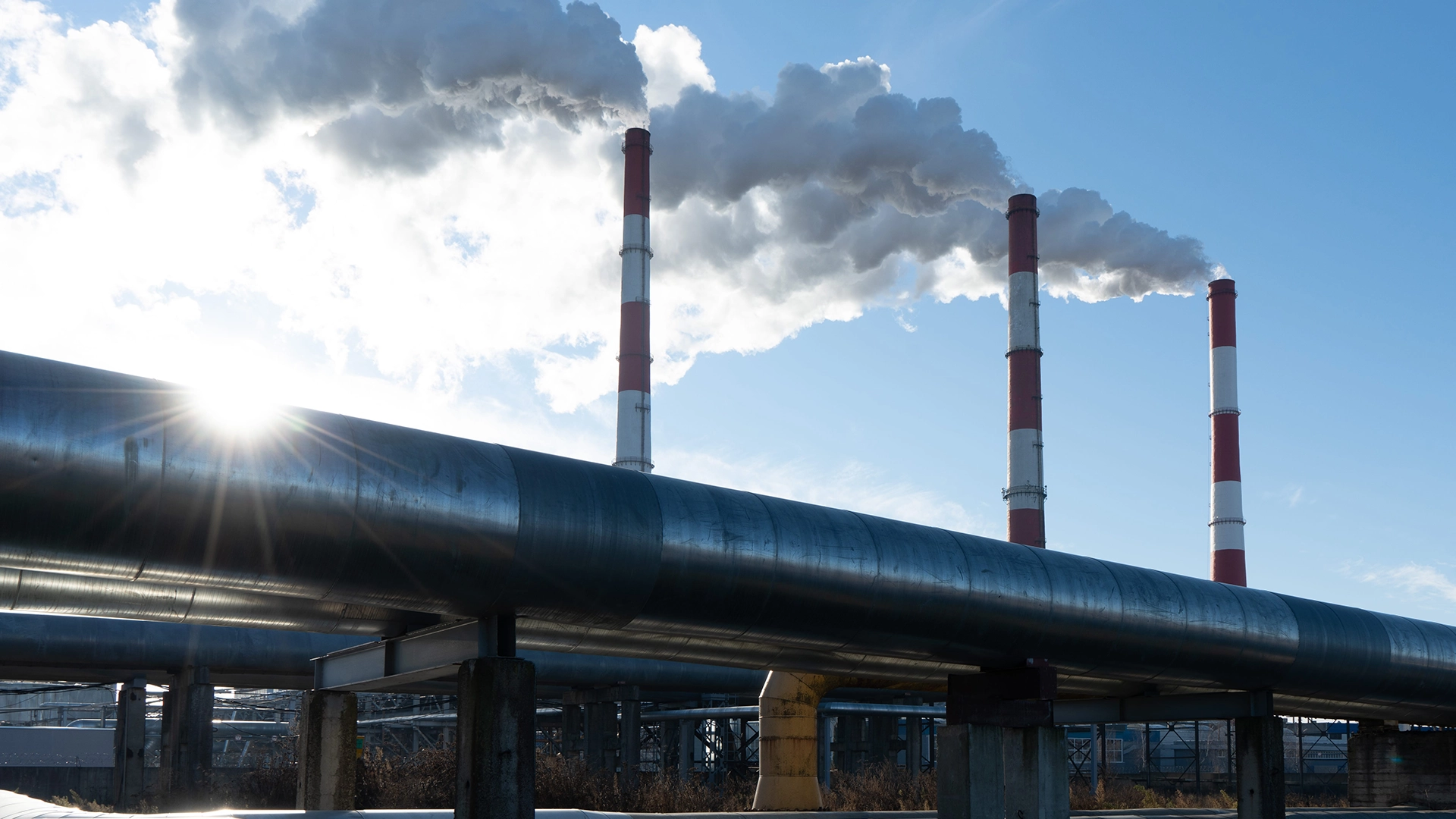
The chemical industry uses complex processes that often run on a continuous basis. High temperatures, aggressive media, and tight process windows all place particularly high demands on plant availability, operational reliability, and efficiency. At the same time, energy and water efficiency are key factors for cost-effective operation today. Water has vital functions in chemical applications, for example in cooling and heat exchanger systems, in technical water circuits, and for supporting processes. Fouling, scaling, and biological loads impair the transfer of heat, increase energy use, and can noticeably disrupt process stability. This is precisely where our solutions come in. They stabilize water-carrying systems, reduce the effects of micro- and macrofouling, and support controlled and energy-efficient operation – even in challenging chemical process conditions. Discover typical applications in the chemical industry and the right solutions for different requirements.

To the applications ...

Zero liquid discharge (ZLD) in the fabric dye industry

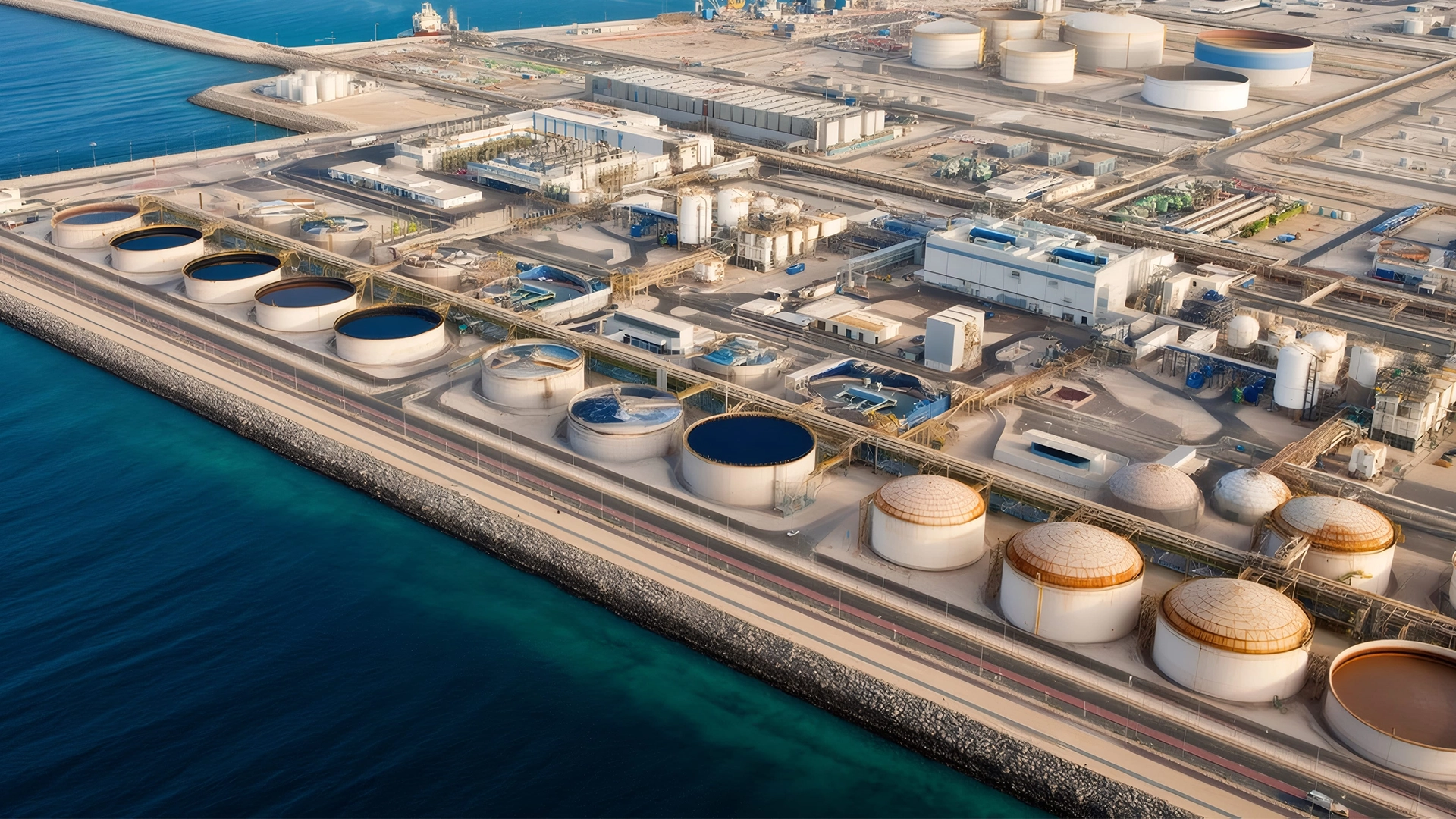
Textile fabric manufacturing uses up a lot of water while producing wastewater with a very high salt content and sometimes high levels of organic pollution. This wastewater would overload public sewage treatment plants. Therefore, the manufacturers themselves must deal with it. This is done under the strict guidelines of zero liquid discharge (ZLD): from reducing the amount of wastewater to completely eliminating wastewater discharge.

Learn more

Efficient industrial refrigeration

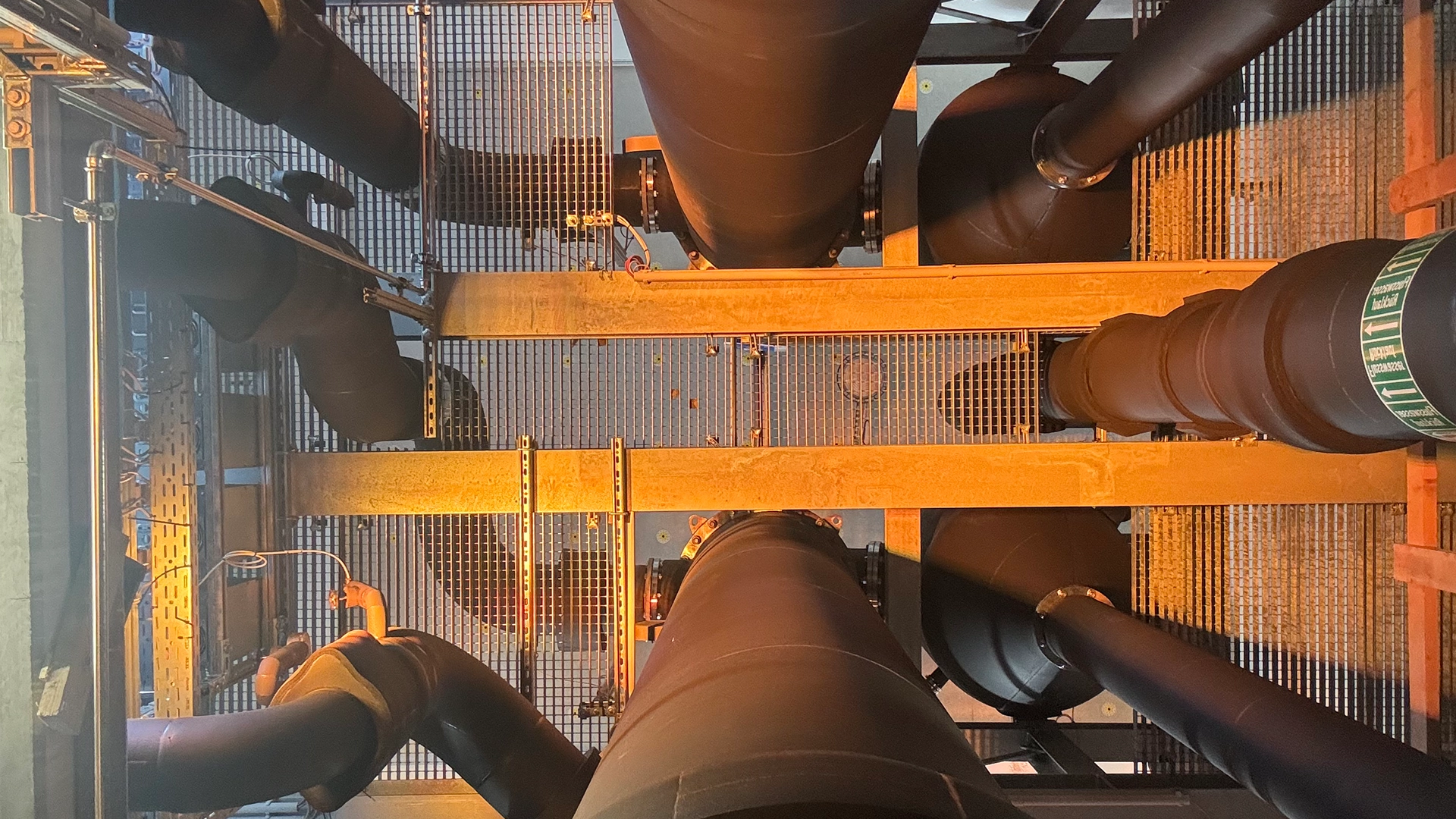
Water-cooled chillers and heat pumps are crucial for reliable refrigeration in many buildings and industrial processes. In order for them to work efficiently, the heat transfer process in evaporators and condensers must remain stable. Microfouling can noticeably impair the heat transfer process even in cooling water circuits that are supposed to be closed. This results in rising differential pressures, unnecessary efficiency losses, and a higher energy consumption for providing the required cooling capacity.

Learn more