Skip to main navigation Skip to main content Skip to page footer
Industrial heating and <br> refrigeration technology

Applications

Industrial heating and
refrigeration technology

At a glance

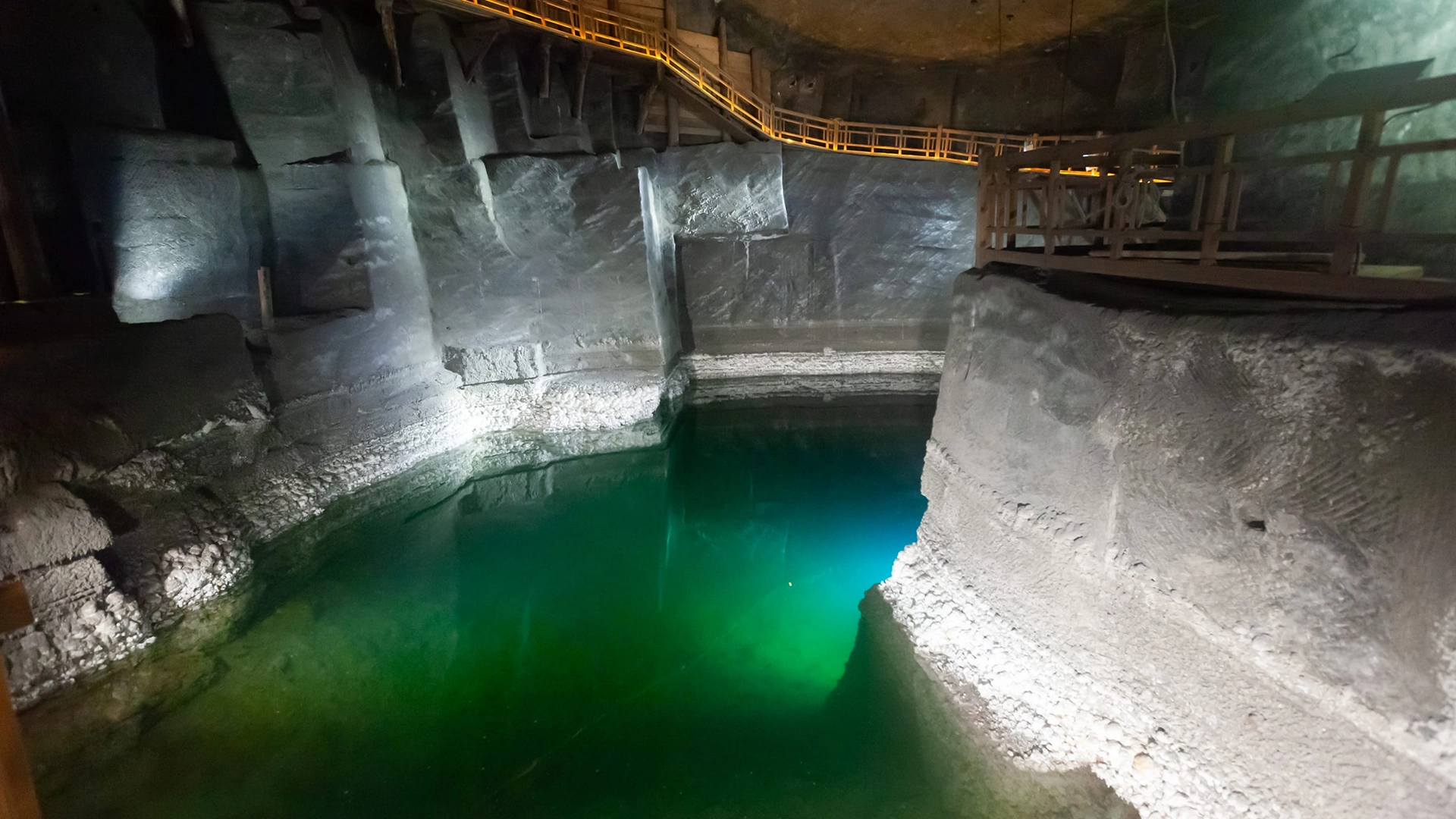
Water quality and media quality are crucial factors when it comes to efficiency and availability in heat pump, chiller, and heat recovery systems. Fouling, scaling, corrosion, and even icing can hamper heat exchanger operation and reduce the coefficient of performance (COP). With a tailored combination of water intake, filtration, and continuous cleaning, we ensure stable heat transfer – from surface water and wastewater to mine water and well water as well as challenging process media.


Utilizing heat and cold more efficiently ...

Preventing icing in heat pumps

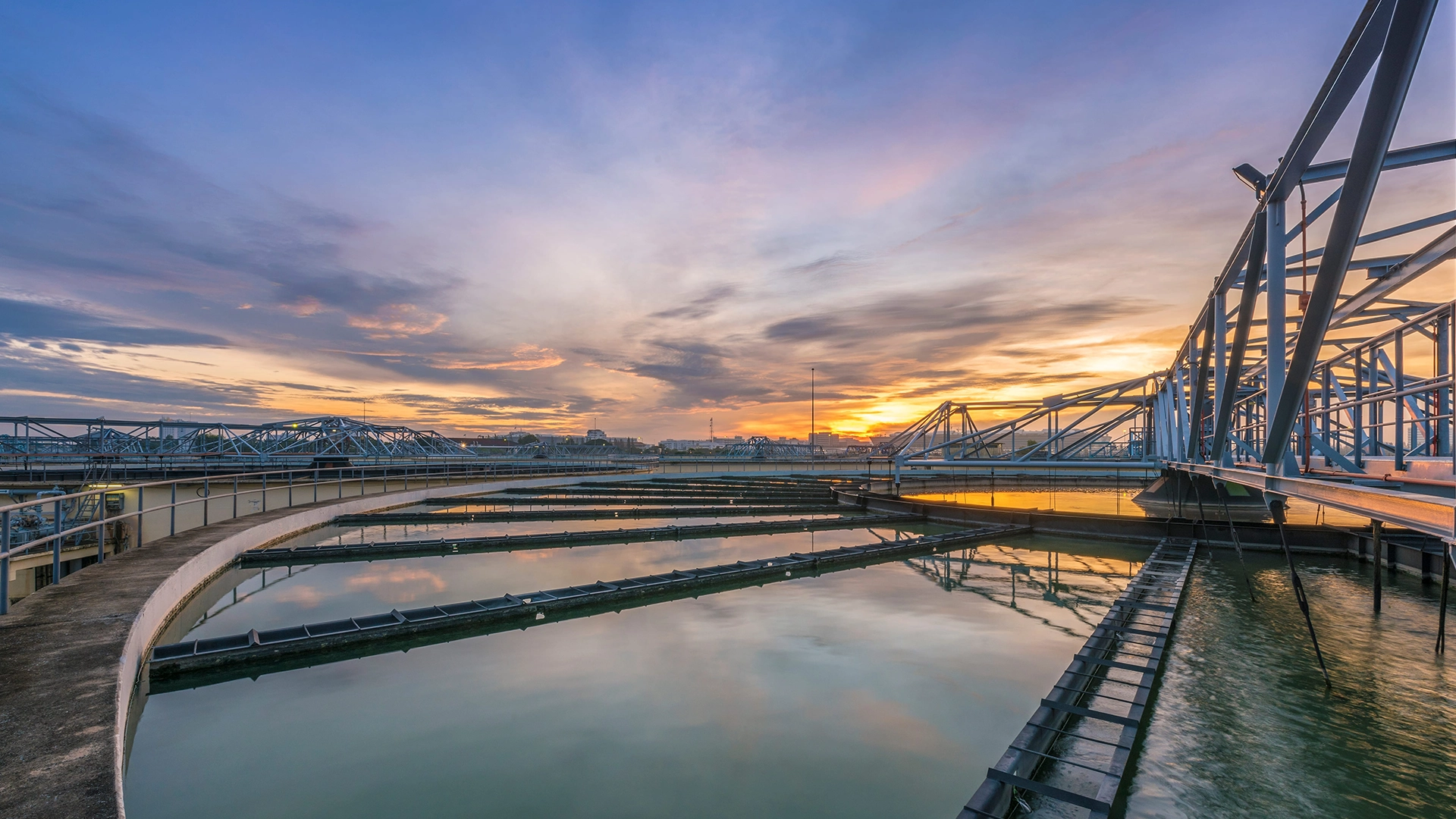
Large-scale heat pumps that are used, for example, in the district heating supply are increasingly drawing on surface water from rivers, lakes, or the sea as a sustainable heat source. In order to optimally utilize the available heat, as much energy as possible is taken from the water in the evaporator. Operation close to freezing point is particularly attractive from an energy point of view, but it also increases the risk of icing on the heat transfer surfaces.

Learn more

Efficient industrial refrigeration

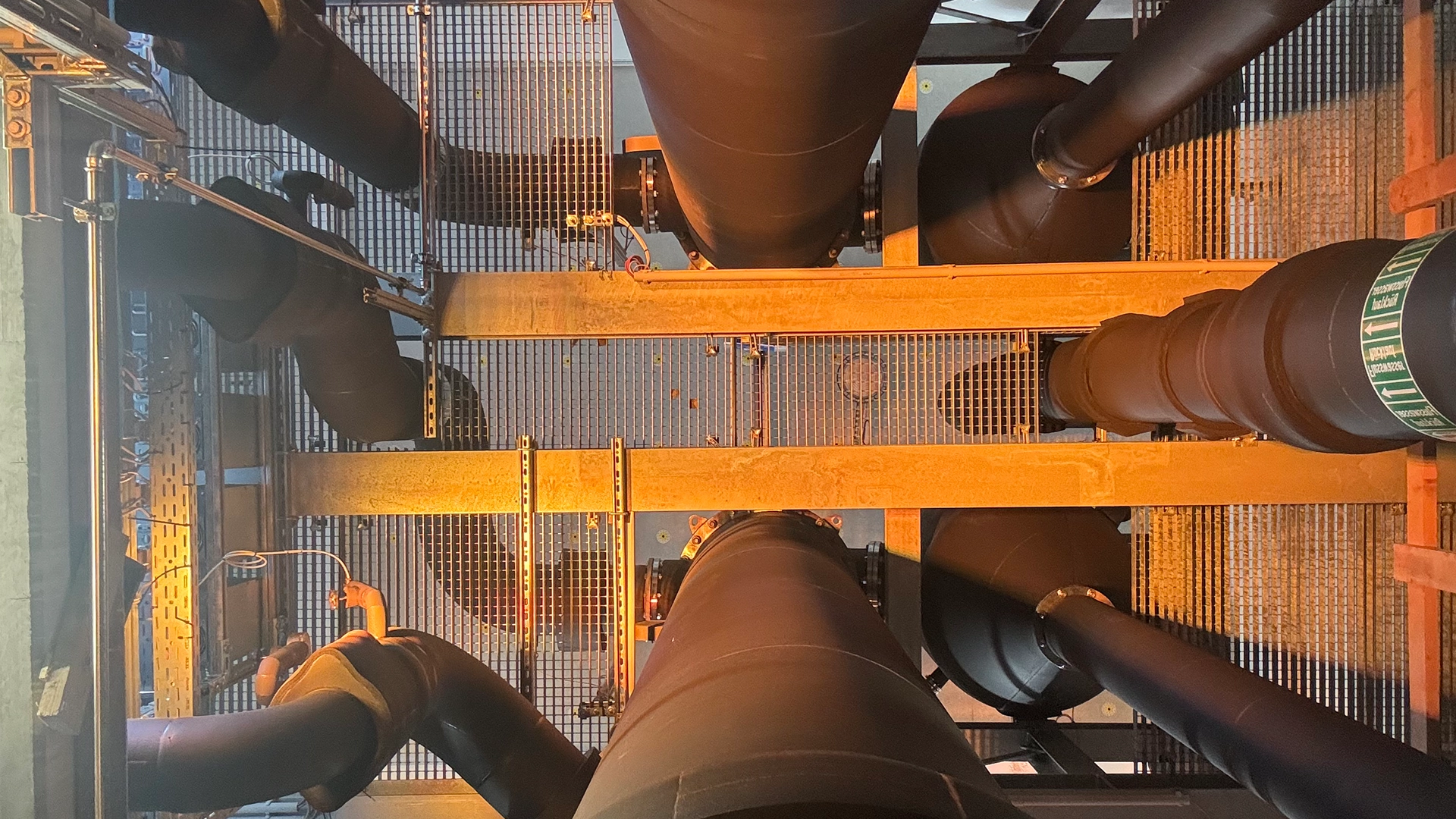
Water-cooled chillers and heat pumps are crucial for reliable refrigeration in many buildings and industrial processes. In order for them to work efficiently, the heat transfer process in evaporators and condensers must remain stable. Microfouling can noticeably impair the heat transfer process even in cooling water circuits that are supposed to be closed. This results in rising differential pressures, unnecessary efficiency losses, and a higher energy consumption for providing the required cooling capacity.

Learn more